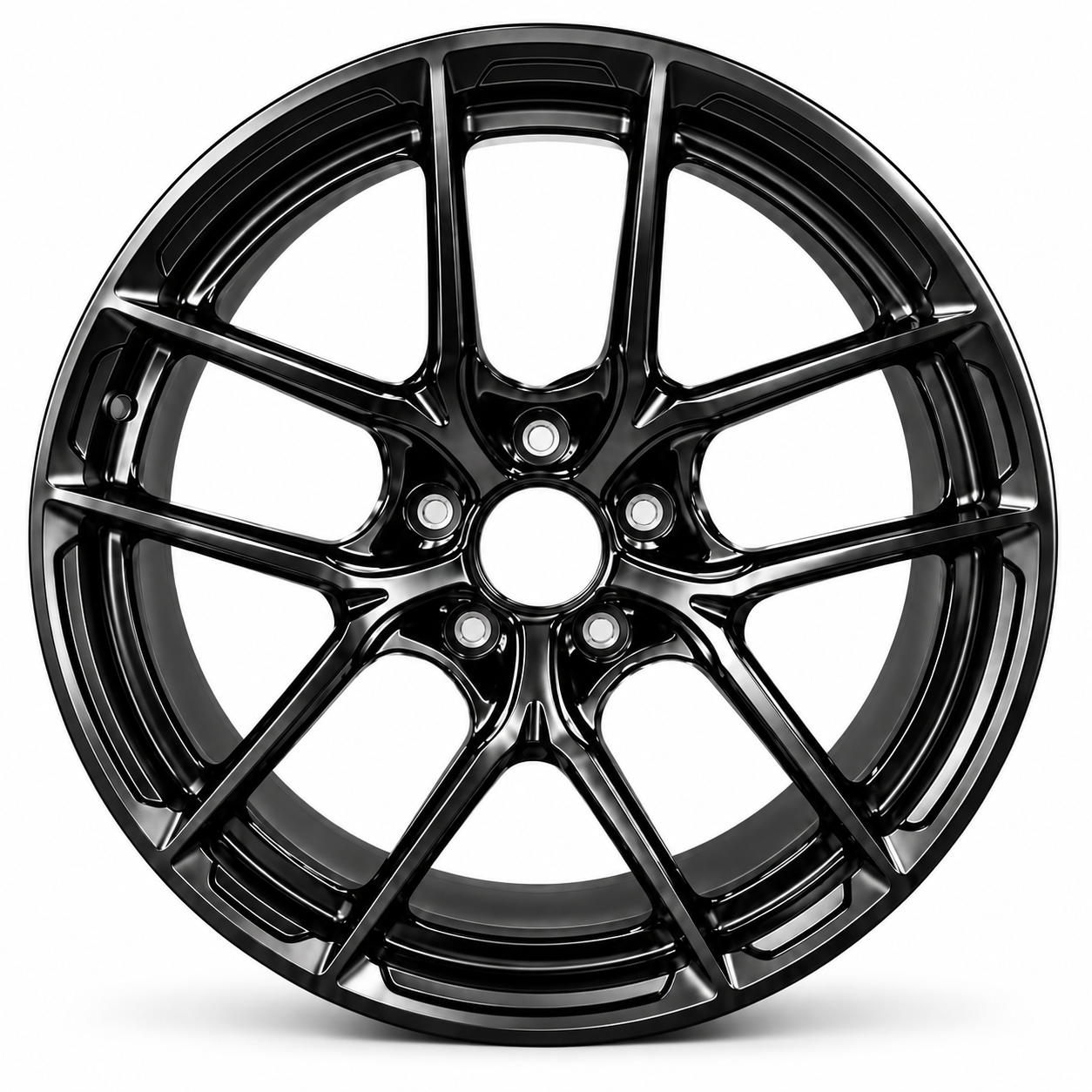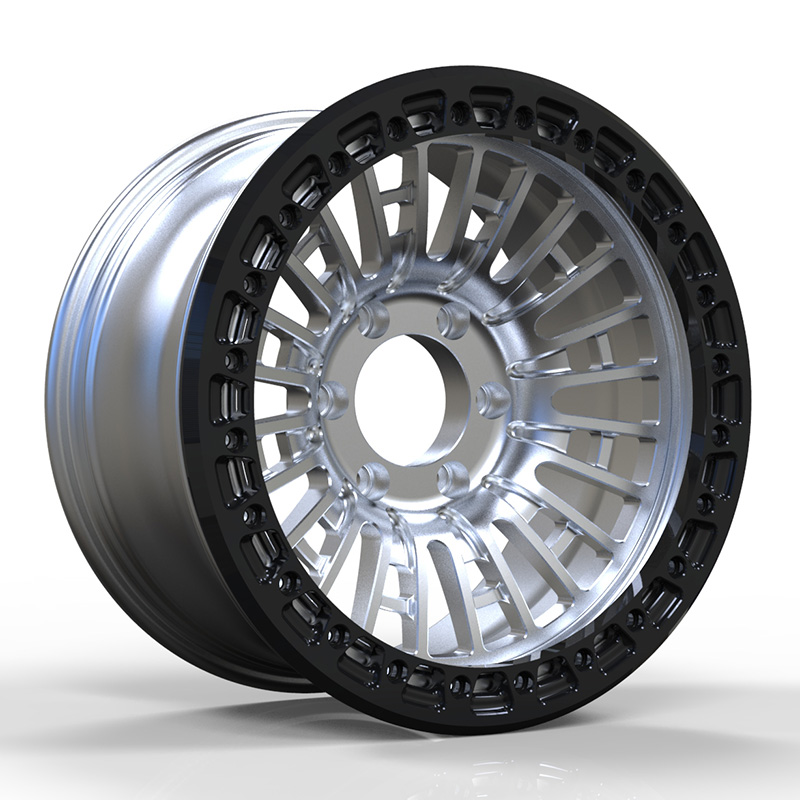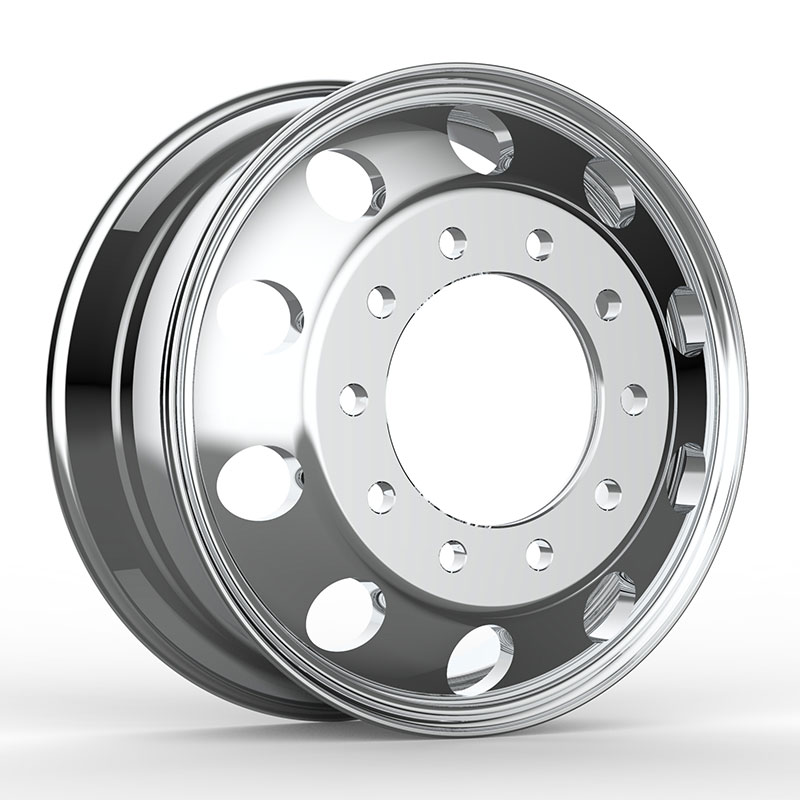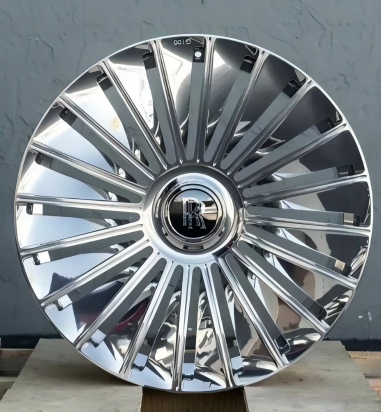
How 3D Scanning Supports Custom Forged Wheel Fitment
A custom wheel should do more than look right. It needs to work with the vehicle’s brakes, suspension, tires, and bodywork. Even when two wheels share the same diameter, width, and offset, differences in spoke shape and inner barrel geometry can affect whether they fit.
3D scanning can support this process by capturing the shape of relevant vehicle components and providing a digital reference for wheel design. Used alongside verified measurements and physical checks, it helps turn a styling idea into a more informed fitment decision.
Why Wheel Specifications Alone Are Not Enough
Wheel specifications describe important dimensions, but they do not explain every surface that could come close to another component.
For example, a wheel with the correct bolt pattern may still interfere with the brake caliper. A design that works with standard brakes may not accommodate an upgraded brake kit. Moving the wheel outward may improve some clearances while reducing space beneath the fender.
A complete fitment review considers:
- Wheel diameter, width, and offset.
- Bolt pattern and center bore.
- Brake caliper shape and position.
- Inner barrel and spoke clearance.
- Tire dimensions and profile.
- Suspension and bodywork clearance.
These factors need to be evaluated together rather than treated as independent choices.
What 3D Scanning Adds to the Process
A 3D scanner captures visible surfaces as digital measurement data. Depending on the equipment and workflow, this data can be processed into a point cloud or mesh and used as a reference within CAD software.
For wheel development, the useful information may include the outer shape of the brake caliper, nearby hub geometry, and accessible suspension components.
The scan does not automatically produce a finished wheel design. It provides geometric information that a designer can interpret, check, and compare with a proposed wheel.
Critical dimensions still need verification. Reflective surfaces, obstructed areas, scan alignment, and equipment accuracy can all affect the quality of the result.
Checking Brake Clearance in More Detail
Brake clearance involves more than the gap between the caliper and the wheel barrel.
The caliper also needs space behind the spokes. Its position relative to the wheel mounting face matters, as does the profile of the wheel center.
By comparing verified brake geometry with the wheel CAD model, a designer can review potential interference before manufacturing. This is especially useful when considering larger brakes or a strongly concave wheel design.
However, there is no single clearance figure that suits every wheel and brake combination. The appropriate allowance should follow the relevant manufacturers’ requirements and account for operating conditions and tolerances.
Balancing Concavity, Offset, and Practical Fitment
Deep concave wheels are popular because they create a strong visual impression. But the achievable profile depends on the space available around the vehicle’s brakes and mounting components.
A more aggressive appearance may require changes to the spoke geometry, wheel width, or offset. Each adjustment can affect another part of the fitment.
Digital geometry helps identify these trade-offs earlier. It allows the design to respond to the vehicle instead of relying only on a reference photograph or a generic size recommendation.
The goal is a wheel that balances appearance with appropriate clearances and structural requirements.
Where Scanning Is Most Useful
A scan-based review may be particularly helpful for:
- Vehicles with aftermarket brake kits.
- Custom builds with limited fitment information.
- Unusual hub or suspension arrangements.
- Wheel projects requiring a specific spoke profile.
- Applications where an existing wheel interferes with surrounding components.
For a standard vehicle with reliable fitment data, approved drawings or brake templates may already provide the information needed. Scanning is a useful additional tool when the geometry is uncertain or unusually complex.
Digital Checks Still Need Physical Verification
A scan captures the vehicle in a particular condition. It does not automatically represent every steering angle, suspension position, or tire deformation.
Before the vehicle enters service, the complete wheel-and-tire assembly should be checked using an appropriate installation and fitment procedure. Relevant checks include brake clearance, mounting hardware, tire clearance, and possible interference throughout the required range of movement.
Dimensional fitment and structural suitability are also separate questions. A wheel can fit physically while still being unsuitable for the vehicle’s load or intended use.
Preparing for a Custom Wheel Enquiry
To make a fitment discussion more productive, prepare the following information:
- Vehicle make, model, year, and trim.
- Original and proposed wheel specifications.
- Tire size.
- Brake package and any modifications.
- Suspension changes or ride-height adjustments.
- Intended use, such as daily driving or track sessions.
If you have brake drawings, templates, or scan files, mention them when making your enquiry.
Planning a custom forged wheel setup? Contact CX·RM with your vehicle details, current wheel specifications, and preferred design to discuss your project.