Aftermarket Alloy Wheels: How to Choose the Right Custom Wheels for Your Car
When it comes to upgrading a vehicle, wheels are one of the most noticeable modifications you can make. The right set of aftermarket alloy wheels can completely change the appearance of a car while also improving handling, weight distribution, and overall driving performance.
However, choosing the right wheels is about more than simply finding a design you like. Wheel size, material, offset, bolt pattern, load capacity, and vehicle compatibility all need to be considered before making a purchase.
Whether you are looking for custom car wheels, lightweight performance wheels, or premium forged wheels, understanding the key differences can help you make a better decision.
What Are Aftermarket Wheels?
Aftermarket wheels are wheels produced by manufacturers other than the original vehicle manufacturer. Unlike OEM wheels, which are designed specifically for a particular vehicle model, aftermarket wheels are available in a much wider range of sizes, styles, finishes, and specifications.
This makes aftermarket wheels a popular choice for drivers who want to personalize their vehicles.
Common aftermarket wheel materials include:
- Aluminum alloy
- Forged aluminum
- Flow-formed aluminum
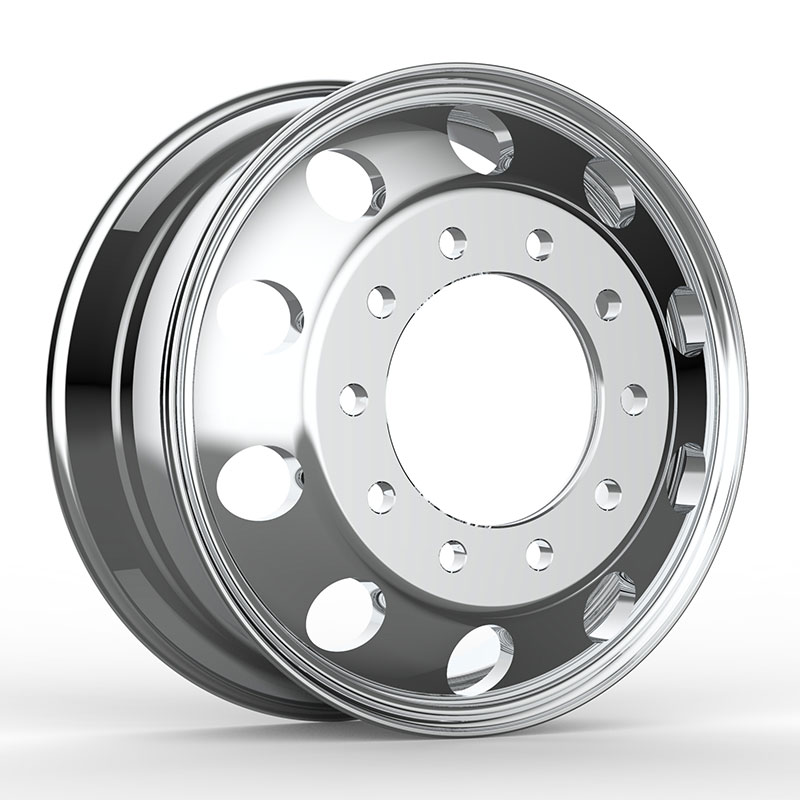
- Steel
Among these options, alloy wheels are particularly popular because they offer a good balance between appearance, weight, strength, and performance.
Why Choose Aftermarket Alloy Wheels?
One of the biggest advantages of aftermarket alloy wheels is the variety of choices available.
OEM wheels generally follow the original design language of the vehicle. In contrast, aftermarket manufacturers can create different spoke patterns, diameters, widths, concave profiles, and finishes.
1. More Customization Options
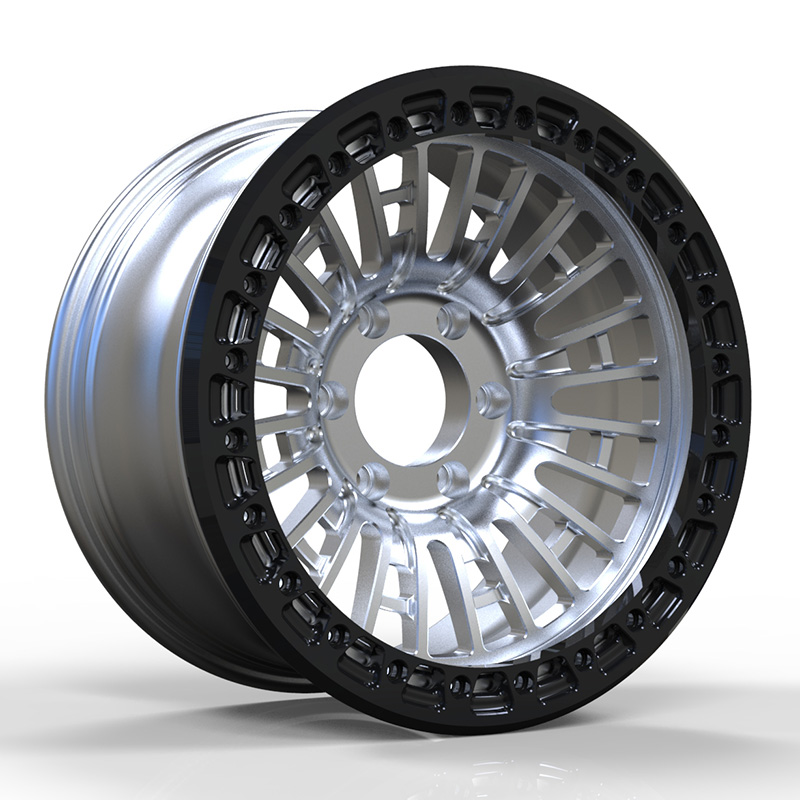
You can choose from a wide range of designs, including:
- Multi-spoke wheels
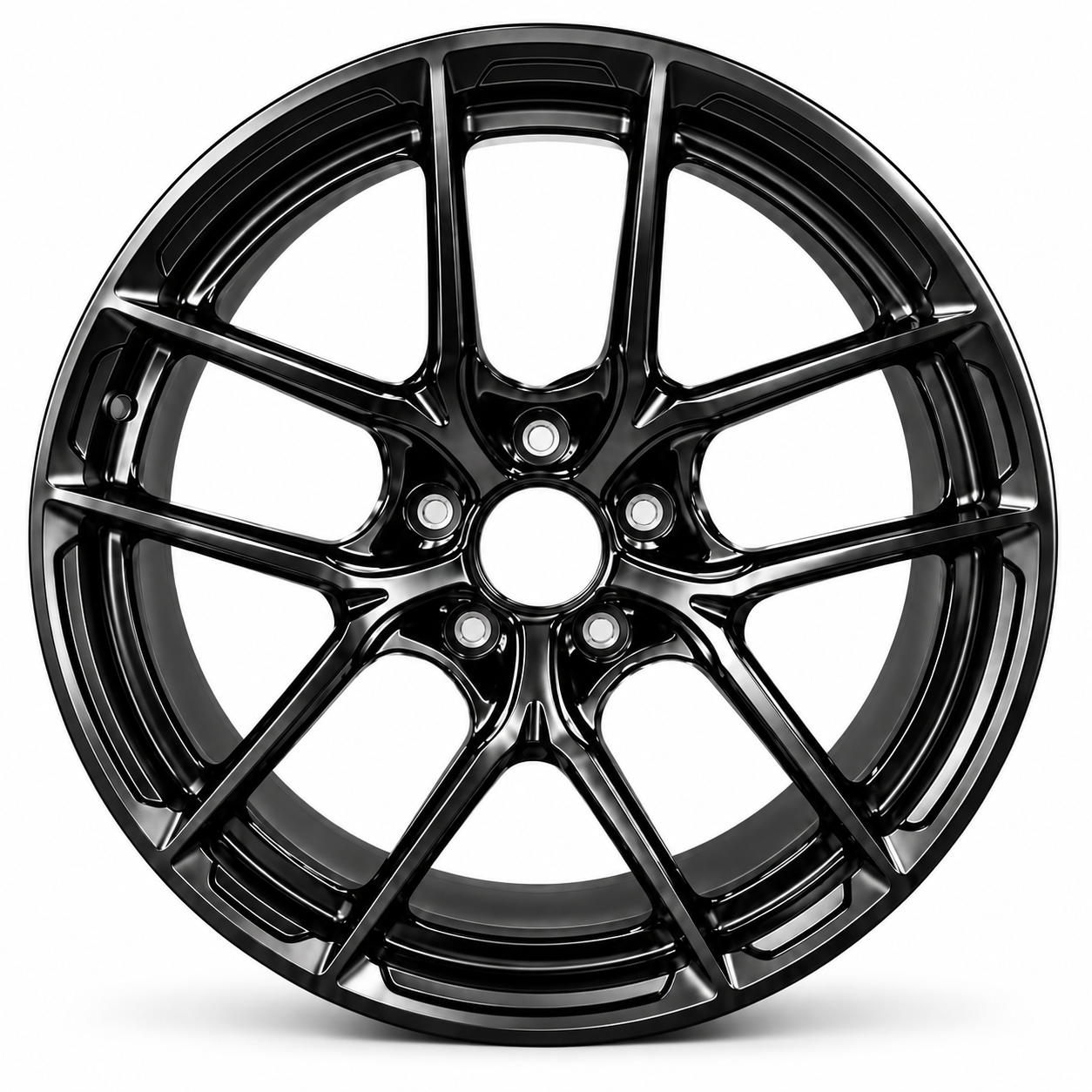
- Split-spoke wheels
- Mesh wheels
- Deep-concave wheels
- Monoblock wheels
- Lightweight racing wheels
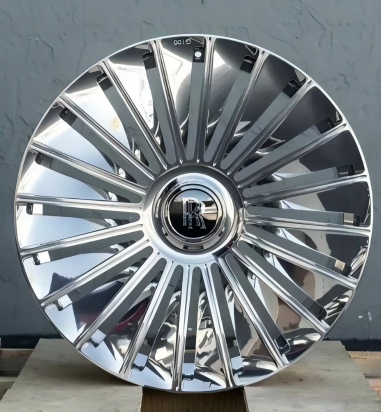
- Luxury forged wheels
Finishes can also be customized. Popular options include gloss black, matte black, silver, gunmetal, bronze, machined finishes, and two-tone designs.
For enthusiasts who want a distinctive appearance, custom wheels provide significantly more flexibility than standard OEM wheels.
2. Improved Vehicle Appearance
Wheels can dramatically affect the visual proportions of a vehicle.
For example, a larger wheel diameter combined with a lower-profile tire can create a more aggressive appearance. A deep-concave design can also give a vehicle a wider and more performance-oriented stance.
This is why custom car wheels are commonly used for sports cars, SUVs, luxury vehicles, and modified performance vehicles.
3. Potential Weight Reduction
Wheel weight can influence suspension response and driving characteristics.
Lightweight aluminum alloy wheels can reduce unsprung mass compared with heavier wheel designs. For performance-focused applications, manufacturers may use advanced production methods to achieve a balance between weight and structural strength.
This is one reason lightweight performance wheels are popular among driving enthusiasts.