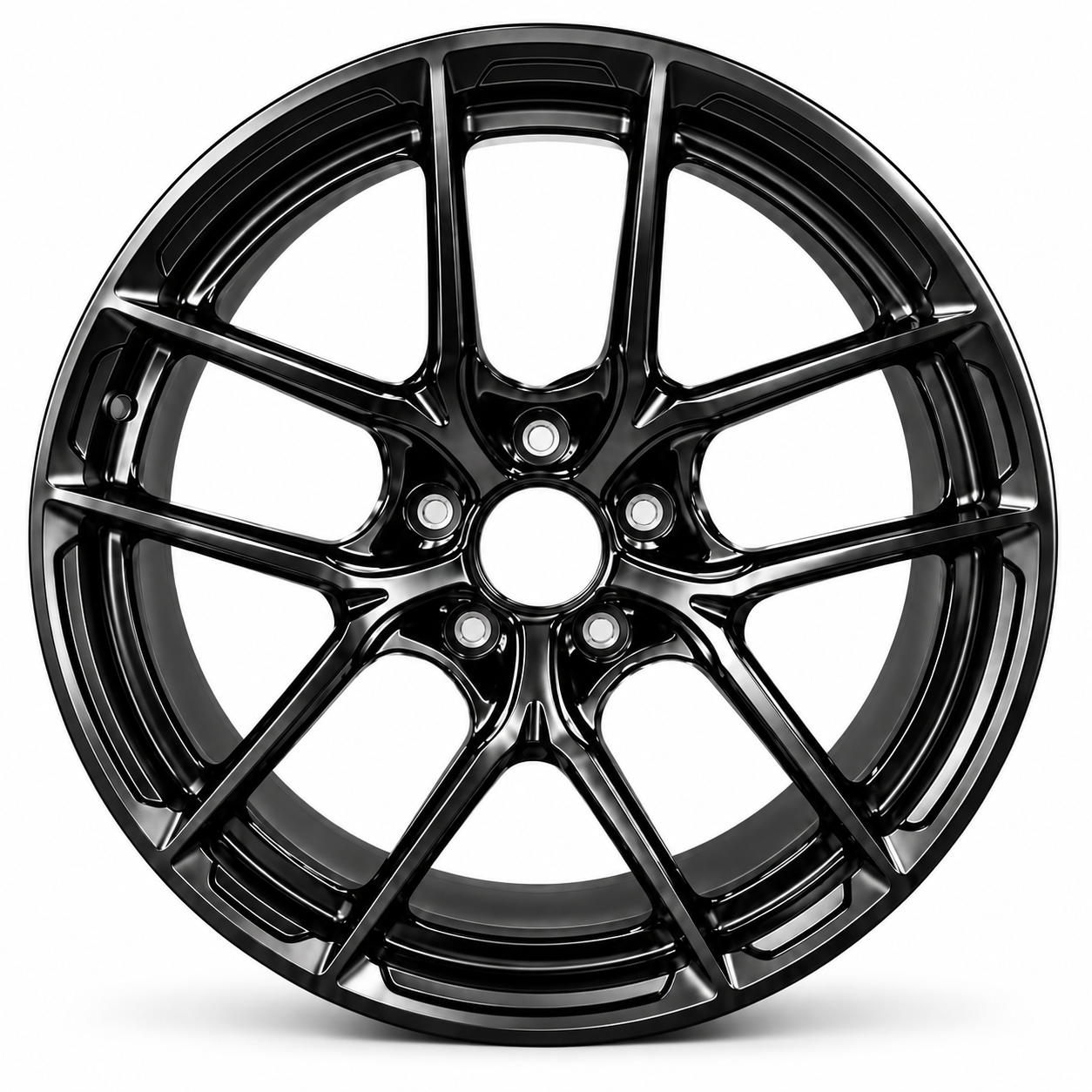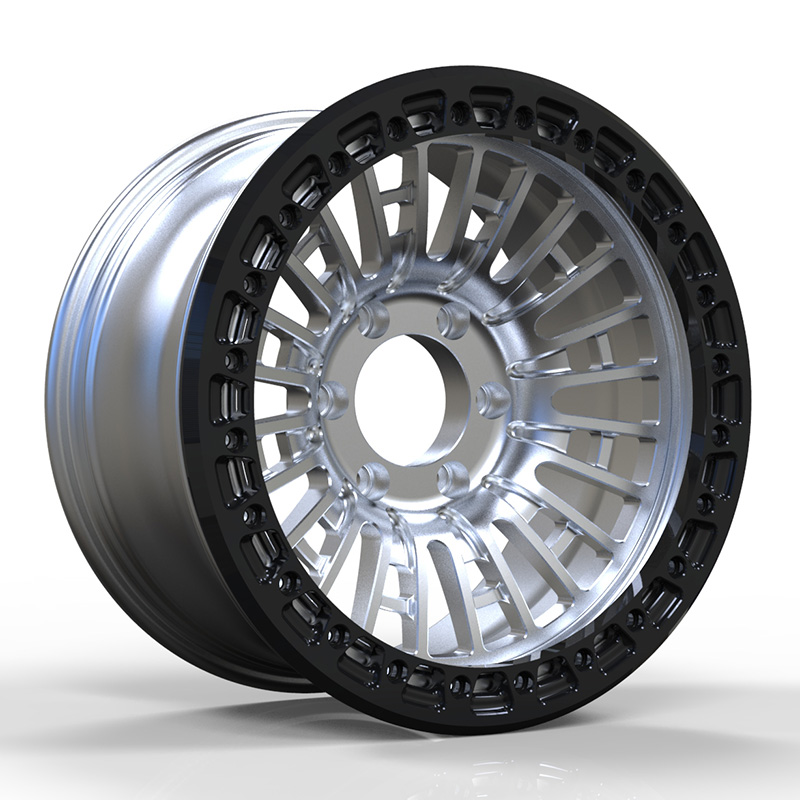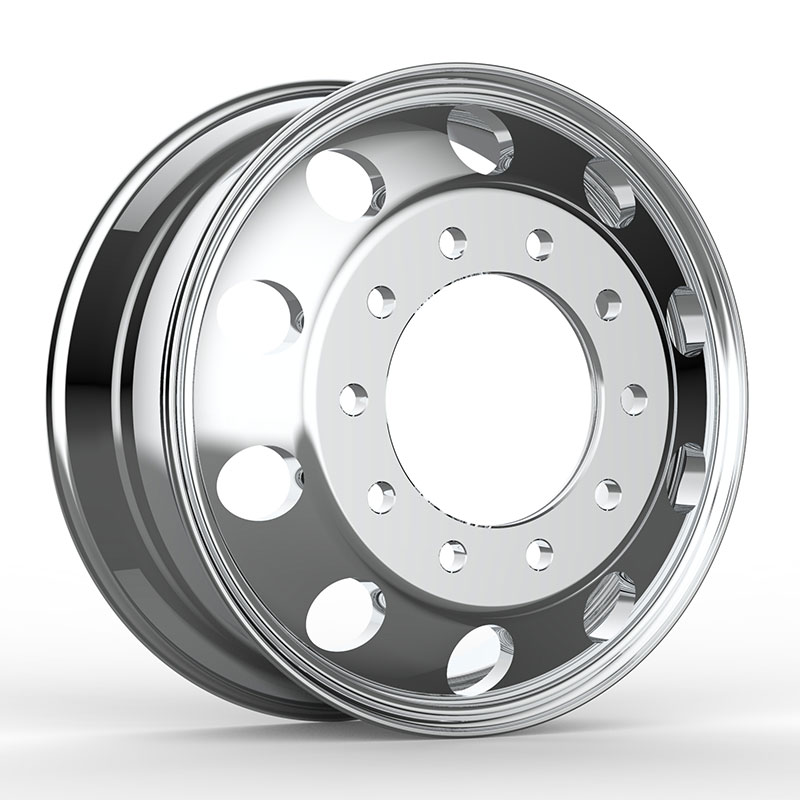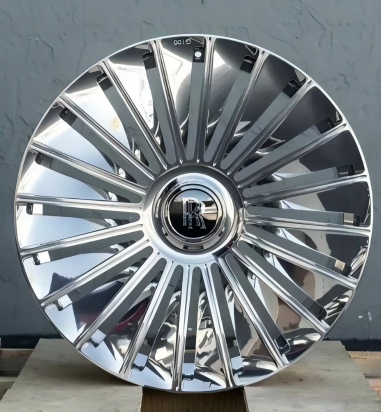
Understanding the Modern Appeal of Machined Finishes
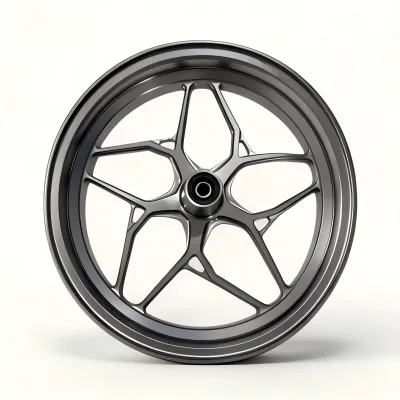
Choosing the right finish for your vehicle is not just about aesthetics; it is a long-term commitment to vehicle maintenance. Among the myriad of options available in the automotive market, machined wheels have emerged as a top choice for luxury and performance cars alike. These wheels are created by cutting the face of the wheel using a CNC lathe, leaving a bright, metallic surface with very fine lines, often topped with a protective clear coat. For many enthusiasts, the primary concern shifts from looks to practicality: are machined wheels easier to clean compared to their painted or chrome counterparts?
The answer lies in the intersection of material science and surface texture. Machined wheels offer a unique visual depth that mimics the brilliance of polished metal but with an added layer of protection. Because most modern machined wheels are sealed with a high-quality clear coat, they often resist environmental contaminants better than raw metals. In this guide, we will explore the nuances of wheel maintenance, examining whether the specific finish of your rims truly dictates the amount of elbow grease required on your weekend wash day.
The Direct Comparison: Are Machined Wheels Easier to Clean?
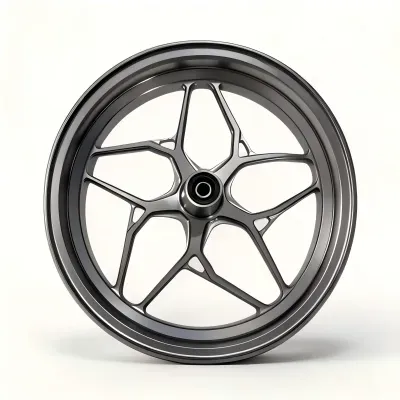
When evaluating if are machined wheels easier to clean, we must compare them directly to other popular finishes like powder coating, chrome, and high-polishing. The "ease" of cleaning usually refers to how much dirt adheres to the surface and how easily that dirt is removed without damaging the finish. Because machined wheels typically feature a clear-coated surface over the precision-cut metal, they behave very much like the paint on your car’s body. This smooth, non-porous layer prevents brake dust and road grime from bonding directly to the aluminum.
Compared to chrome, which shows every single water spot and fingerprint, machined finishes are far more forgiving. Chrome requires constant buffing to maintain its mirror-like shine, whereas the subtle "micro-grooves" of a machined face help mask minor imperfections and light dust. Furthermore, compared to raw polished wheels, which oxidize when exposed to air and moisture, the clear-coated machined surface remains stable. This means you won’t spend hours with a metal polish trying to restore the luster. Therefore, for the average driver, machined wheels represent a "middle ground" that offers high-end aesthetics with significantly reduced labor.
However, it is important to note that the complexity of the wheel design also plays a role. A multi-spoke machined wheel with deep crevices will always be harder to clean than a simple five-spoke design. But strictly speaking about the surface finish itself, the protected nature of the machined face makes it one of the most user-friendly options for those who want their vehicle to look pristine without daily intervention.
Essential Tools for Maintaining Machined Wheel Surfaces
To maintain the integrity of the finish and ensure that are machined wheels easier to clean for you in the long run, using the right tools is paramount. Since the clear coat is the primary barrier against the elements, you must avoid any abrasive materials that could scratch this layer. Once the clear coat is breached, moisture can get underneath, leading to "white worm" corrosion, which is difficult to repair.
-
pH-Neutral Wheel Cleaners: Avoid acid-based cleaners that can eat through the clear coat over time. A balanced formula is safer for both the metal and the sealant.
-
Soft Boar’s Hair Brushes: These brushes are firm enough to agitate brake dust but soft enough to prevent micro-scratching on the machined face.
-
Microfiber Wash Mitts: Use these for the flat surfaces of the wheel to ensure a swirl-free finish.
The technique is just as important as the tools. Always wash your wheels when they are cool to the touch. Applying cold water or cleaning chemicals to hot rims can cause thermal shock or cause the cleaner to dry too quickly, leaving stubborn streaks. By following a consistent routine, you will find that the protective properties of the finish confirm that indeed, are machined wheels easier to clean than many alternatives.
The Long-Term Value of Machined Finishes
Beyond the immediate ease of maintenance, we should consider the long-term durability. A high-quality machined wheel, such as those manufactured by specialized forged wheel brands, is built to withstand the rigors of the road. The precision machining process ensures perfect balance and structural integrity, while the finishing process protects the investment. While a painted wheel might show stone chips more prominently, the contrast between the machined face and the painted windows of a wheel often hides small road-wear marks effectively.
In professional circles, the consensus is that while no wheel is "self-cleaning," the machined finish provides the best ROI on time spent washing. If you apply a ceramic coating to your machined wheels, the "easiness" factor increases exponentially. Ceramic coatings provide a hydrophobic layer that allows water and dust to slide right off. When you combine this with the naturally smooth surface of a machined finish, the question of whether are machined wheels easier to clean becomes a resounding yes.
Why Choose RETA for Your Forged Wheel Needs?
At RETA, we understand that wheel ownership is an experience that extends far beyond the initial purchase. As a leading manufacturer specializing in high-end forged solutions, RETA focuses on the harmony between exquisite design and practical durability. Our 6061-T6 aluminum forgings undergo rigorous CNC machining to ensure that every edge is crisp and every surface is optimized for both performance and aesthetics.
Our product lineup is designed with the user in mind. Whether you are looking for RETA custom forged wheels or specialized performance wheels, our finishing processes are second to none. We utilize premium clear coats that answer the question: are machined wheels easier to clean? With RETA, the answer is always yes, because we prioritize surface smoothness and coating thickness to protect against the harshest road conditions.
Our advantages include:
- Customization: We offer bespoke designs tailored to your specific vehicle's fitment.
- Quality Control: Every wheel is tested for radial runout and structural fatigue.
- Versatility: From super concave designs to classic monoblock styles, we have it all.
Explore our full range of forged wheels and experience the RETA difference today.
Conclusion: Making the Right Choice for Your Vehicle
In conclusion, when asking are machined wheels easier to clean, the evidence points toward a clear advantage for the machined finish, provided it is properly clear-coated. The combination of a smooth metallic surface and a protective polymer layer makes them resistant to the bonding of brake dust and road grime. While they require the same basic care as any other high-quality automotive part, the effort required to keep them looking "showroom new" is significantly lower than that of raw or chrome finishes.
Investing in quality wheels from a trusted brand like RETA ensures that you not only get the performance benefits of forged aluminum but also a finish that stands the test of time. A well-maintained set of machined wheels will continue to elevate the look of your vehicle for years to come, making every car wash a rewarding experience rather than a chore.
Frequently Asked Questions
Q1: Why are machined wheels easier to clean than raw aluminum wheels?
Machined wheels are typically easier to clean because they are sealed with a clear coat. Raw aluminum is porous and prone to oxidation, meaning dirt and moisture can bond to the metal surface. The clear coat on RETA's machined wheels creates a smooth barrier that prevents contaminants from sticking, making the wash process much faster.
Q2: Does the spoke design affect whether are machined wheels easier to clean?
Yes, the complexity of the design plays a major role. While the machined finish itself is easy to maintain, a design with many intricate spokes or tight corners will collect more brake dust and require more time to scrub. For the easiest maintenance, consider our simpler monoblock designs which maximize the benefits of the machined surface.
Q3: Can I use a pressure washer to confirm if are machined wheels easier to clean?
A pressure washer can certainly speed up the process, but use it with caution. While the finish makes cleaning easier, high pressure at a very close range can potentially damage the clear coat or lift the edges if there is a chip. We recommend a wide spray pattern and keeping a safe distance to protect your RETA forged wheels.
Q4: What chemicals should I avoid to ensure are machined wheels easier to clean over time?
You should avoid heavy degreasers, bleach-based products, and acidic wheel cleaners. These chemicals can cloud the clear coat, making the surface dull and rough. Once the surface is rough, dirt sticks more easily. Stick to pH-balanced soaps to ensure your machined finish stays slick and easy to maintain.
Q5: How often should I wash my car to prove that are machined wheels easier to clean?
We recommend washing your wheels every 1-2 weeks. Frequent washing prevents brake dust from "baking" onto the clear coat due to heat. Regular maintenance proves the ease of cleaning because most dirt will simply rinse away with a light brush and soap, keeping your RETA wheels in peak condition.
Ready to Upgrade Your Ride?
Discover the perfect balance of style, strength, and ease of maintenance with RETA Forged Wheels.
Contact Our Experts Today