Introduction to Advanced Wheel Aesthetics
Choosing the right set of wheels is one of the most significant decisions a car enthusiast can make. It is not just about the look; it is about how the geometry of the wheel interacts with the vehicle's suspension, braking system, and overall aerodynamics. In the world of premium aftermarket modifications, the debate of concave vs stepped lip forged wheels has remained at the forefront. Both styles offer distinct visual languages and engineering advantages that cater to different types of performance and luxury vehicles. Whether you are driving a modern supercar or a classic grand tourer, understanding these differences is crucial for achieving the perfect fitment and stance.
Forged wheels represent the pinnacle of manufacturing technology. Unlike cast wheels, which are made by pouring molten aluminum into a mold, forged wheels are created through intense heat and pressure, resulting in a much denser and stronger grain structure. This allows for thinner spokes and more aggressive designs that would be impossible with traditional casting. RETA has pioneered many of these designs, pushing the boundaries of what is possible in both concave and stepped lip configurations. As we dive deeper into this comparison, we will examine how each style affects the soul of your car and its behavior on the road or track.
The Rise of the Concave Profile
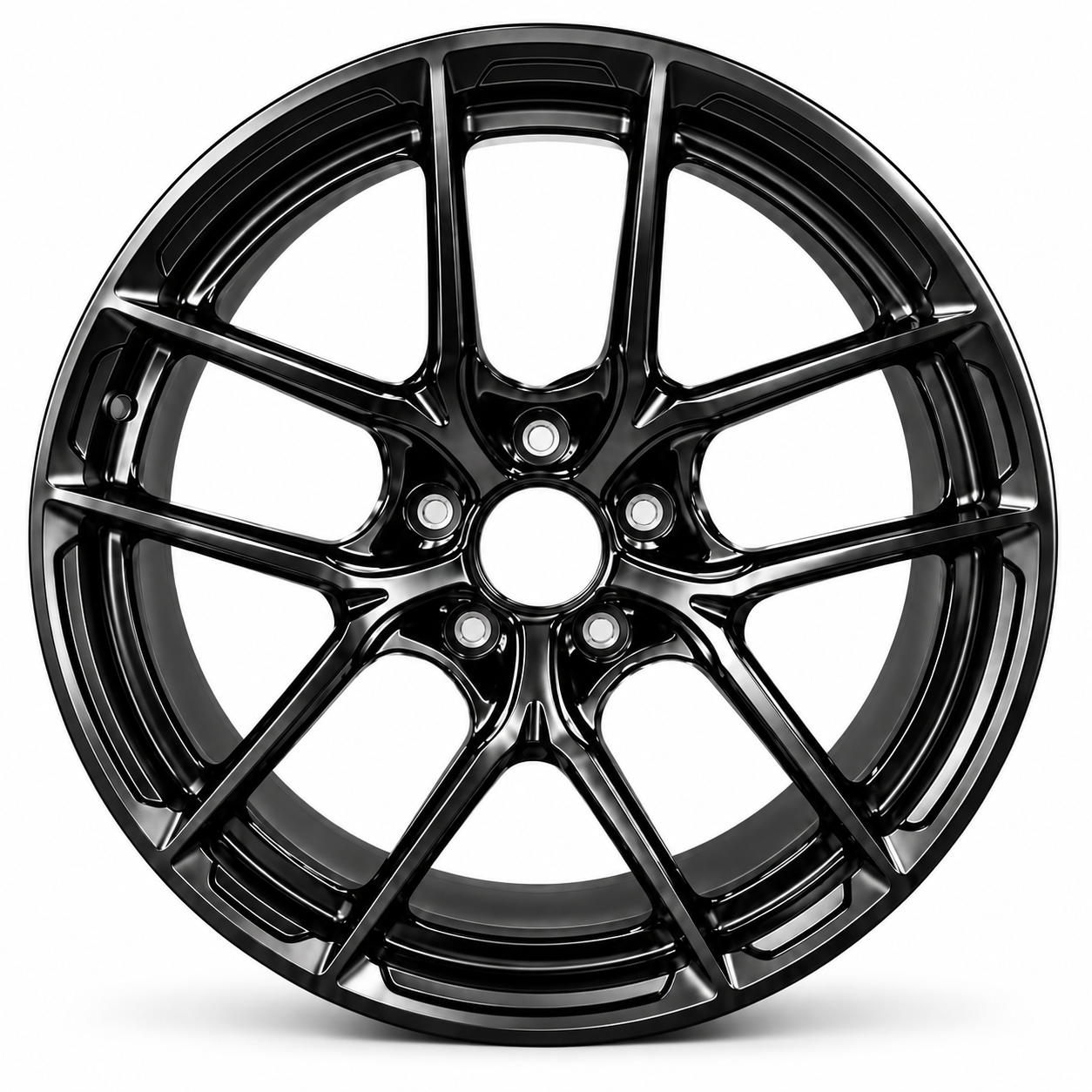
Concave wheels have become synonymous with modern aggressive styling. The term concave refers to a design where the wheel face and spokes curve inward toward the center hub, creating a sense of depth and three-dimensionality. This design is particularly popular on high-offset vehicles where the wide rear fenders allow for a deep "bowl" effect. When discussing concave vs stepped lip forged wheels, the concave design is often praised for making a vehicle look wider and more planted. It creates a dynamic shadow effect that changes as the vehicle moves, highlighting the intricate machining of the spokes.
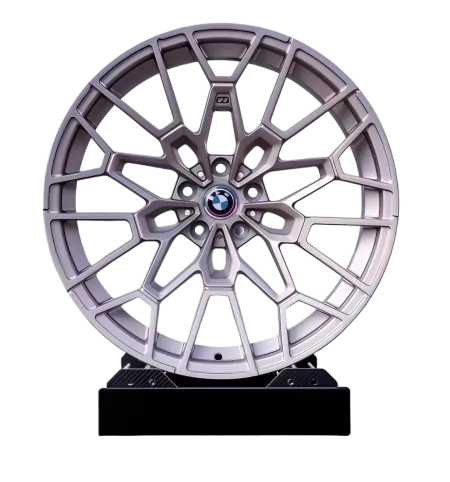
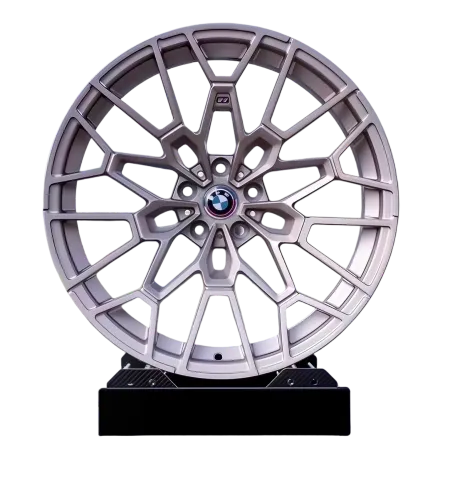
Engineering a concave forged wheel requires a deep understanding of load distribution. Because the spokes are angled toward the center, they must be designed to withstand significant lateral forces without adding unnecessary weight. At RETA, our super concave series utilizes 6061-T6 aerospace-grade aluminum to ensure that even the deepest profiles remain lightweight and structurally sound. The "deep concave" look is achieved by carefully calculating the offset and backspacing to ensure the wheel clears the brake calipers while maximizing the inward curve. This style is often the preferred choice for modern German performance cars, such as the BMW M series or Audi RS models, where a sleek, integrated look is desired.
The Engineering of Stepped Lip Designs
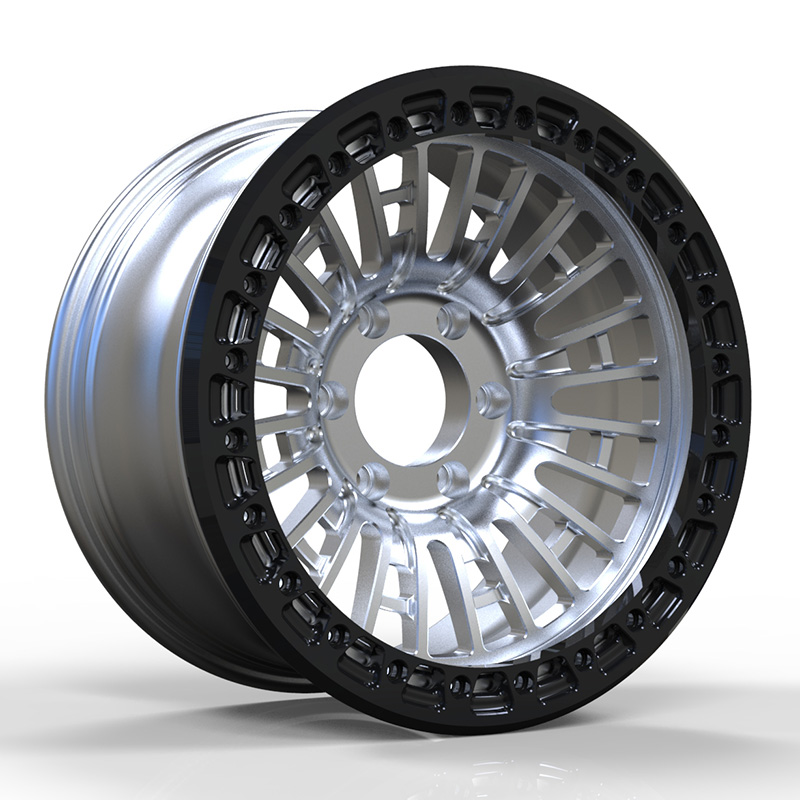
The stepped lip design is a classic architecture that has seen a massive resurgence in the custom wheel scene. Unlike a flat lip, a stepped lip features a multi-tiered outer rim that decreases in diameter as it moves toward the wheel center. This creates a staggered, layered appearance that is deeply rooted in motorsport history. In the comparison of concave vs stepped lip forged wheels, the stepped lip is often associated with multi-piece construction (2-piece or 3-piece). This modularity allows for incredible customization, as the outer lip, inner barrel, and center disk can be finished in different colors or textures.
Beyond its vintage-inspired aesthetics, the stepped lip provides functional benefits. The "step" in the rim acts as a reinforcement rib, increasing the hoop's stiffness and resistance to deformation under high-speed cornering. Furthermore, stepped lip wheels often allow for a larger center disk than a similar-sized concave wheel, which provides more room for artistic expression through spoke design. RETA offers various multi-piece configurations that utilize the stepped lip to give cars a high-end, bespoke appearance. This style is exceptionally well-suited for luxury sedans and "VIP style" builds where the emphasis is on craftsmanship and detail rather than raw aggression.
Performance Comparison: Weight and Durability
When analyzing concave vs stepped lip forged wheels from a performance standpoint, one must consider unsprung weight and rotational mass. Generally, a monoblock concave wheel can be engineered to be lighter than a multi-piece stepped lip wheel because it lacks the hardware (bolts and nuts) required to hold the pieces together. For track-focused drivers, every gram counts, and a lighter wheel translates to better throttle response, improved braking distances, and more communicative steering. However, the difference is often marginal when using high-quality forged materials like those employed by RETA.
Durability is another key factor. Stepped lip wheels, particularly in multi-piece formats, offer the advantage of repairability. If you curb a wheel or damage a rim on a pothole, you can often replace just the outer lip rather than the entire wheel. Conversely, a monoblock concave wheel is a single unit; if it is severely damaged, the whole wheel usually needs replacement. In terms of brake clearance, concave wheels are often superior because the spokes can be curved to sweep over large multi-piston calipers. Stepped lip wheels may require a flatter center disk to maintain the lip depth, which can sometimes limit the size of the brake kit that can be accommodated. Choosing between them requires a balance of your specific performance goals and your tolerance for maintenance.
Why RETA Leads the Industry in Forged Wheel Customization
At RETA, we understand that your vehicle is an extension of your personality. That is why we specialize in high-end, custom-made solutions that address the specific needs of luxury and performance car owners. Whether you prefer the aggressive depth of our concave vs stepped lip forged wheels or the intricate elegance of a 3-part forged wheel, our engineering team ensures that every set is tailored to your car's exact specifications.
Our advantage lies in our state-of-the-art manufacturing facility and our commitment to using only the best raw materials. We offer an extensive range of products, including super concave forged wheels for BMW and other sports cars, as well as 2-piece brushed bronze designs for those seeking a more sophisticated finish. RETA wheels are subjected to rigorous testing to ensure they meet international safety standards, providing you with peace of mind whether you are cruising the city streets or pushing limits on the circuit.
We pride ourselves on our ability to offer diverse finishes, from hand-brushed silver to piano black spray. Our RETA custom forged wheels are designed to provide the perfect fitment, ensuring that the wheel sits flush with the fender for that sought-after "OEM+" or "Aftermarket Elite" look. When you choose RETA, you are not just buying wheels; you are investing in a tradition of automotive excellence.
Frequently Asked Questions
Q1: Which is better for track racing, concave vs stepped lip forged wheels?
For dedicated track use, a monoblock concave wheel is generally preferred due to its lower rotational mass and higher structural rigidity. However, RETA's forged stepped lip wheels are engineered to be extremely strong, making them a viable option for high-performance street and occasional track use.
Q2: Can I get a custom finish on my concave vs stepped lip forged wheels?
Absolutely. At RETA, we offer a wide variety of custom finishes, including polished, brushed, anodized, and powder-coated options. Whether you choose a concave or a stepped lip design, we can customize every component to match your vehicle's aesthetic.
Q3: How do I know if concave vs stepped lip forged wheels will fit my car?
Fitment depends on your car's brake clearance and fender width. Concave wheels require a specific offset to achieve the inward curve, while stepped lip wheels are more flexible in multi-piece configurations. RETA provides a full consultation to ensure the wheels you choose fit perfectly without rubbing.
Q4: Are concave vs stepped lip forged wheels more expensive than cast wheels?
Yes, forged wheels are an investment. The process of creating concave vs stepped lip forged wheels involves high-grade aluminum and precision CNC machining, which results in a product that is lighter, stronger, and more durable than mass-produced cast wheels.
Q5: Do concave vs stepped lip forged wheels require special maintenance?
The maintenance is similar for both, though multi-piece stepped lip wheels require occasional inspection of the assembly hardware. RETA uses high-quality seals and corrosion-resistant bolts to ensure that your wheels remain in top condition for years to come.
Conclusion
Ultimately, the choice between concave and stepped lip designs comes down to your personal style and the specific requirements of your vehicle. Concave wheels offer a bold, modern, and aggressive look, while stepped lip wheels provide a timeless, sophisticated, and modular appeal. Regardless of your preference, RETA is here to provide the highest quality forged solutions tailored specifically for you.
Or browse our full collection: View All Forged Wheels