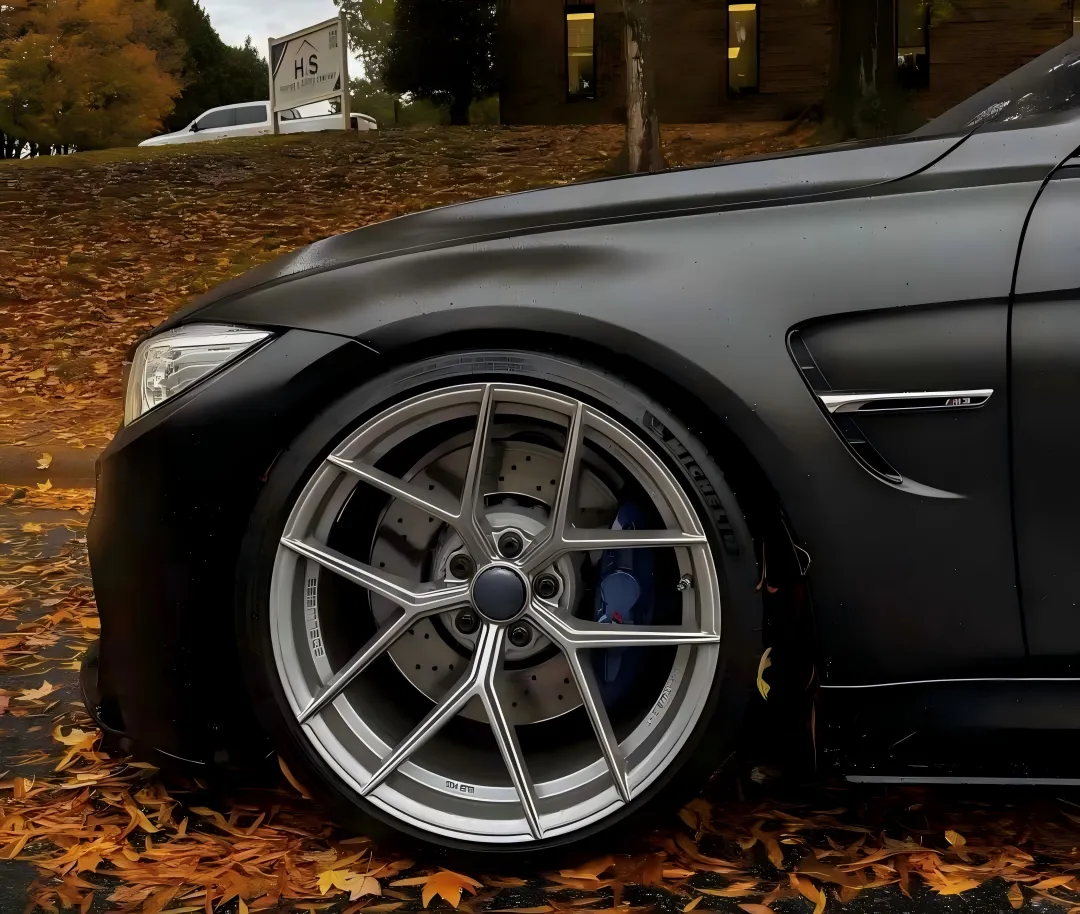
In the world of high-performance automotive customization, few upgrades make as significant an impact as a set of premium wheels. Among the various styles available to enthusiasts today, custom forged concave wheels have emerged as the gold standard for those seeking a perfect marriage of aggressive aesthetics and structural integrity. Unlike traditional flat-faced wheels, the concave profile creates a deep, three-dimensional look that draws the eye toward the center of the wheel, providing a sense of motion and power even when the vehicle is stationary. This guide delves into the engineering marvels behind these wheels, explaining why they are the preferred choice for luxury and sports car owners globally.
At RETA, we understand that a wheel is more than just a component; it is a statement of identity. The process of creating custom forged concave wheels involves sophisticated CNC machining and the use of aerospace-grade T6-6061 aluminum. This material is subjected to immense pressure, which aligns the grain structure of the metal, resulting in a product that is significantly lighter and stronger than cast alternatives. Whether you are driving a BMW M4, a Porsche 911, or a high-end SUV, the transition to forged concave designs offers not just a visual overhaul but a measurable improvement in handling and braking response.
The Evolution and Appeal of Concave Wheel Design
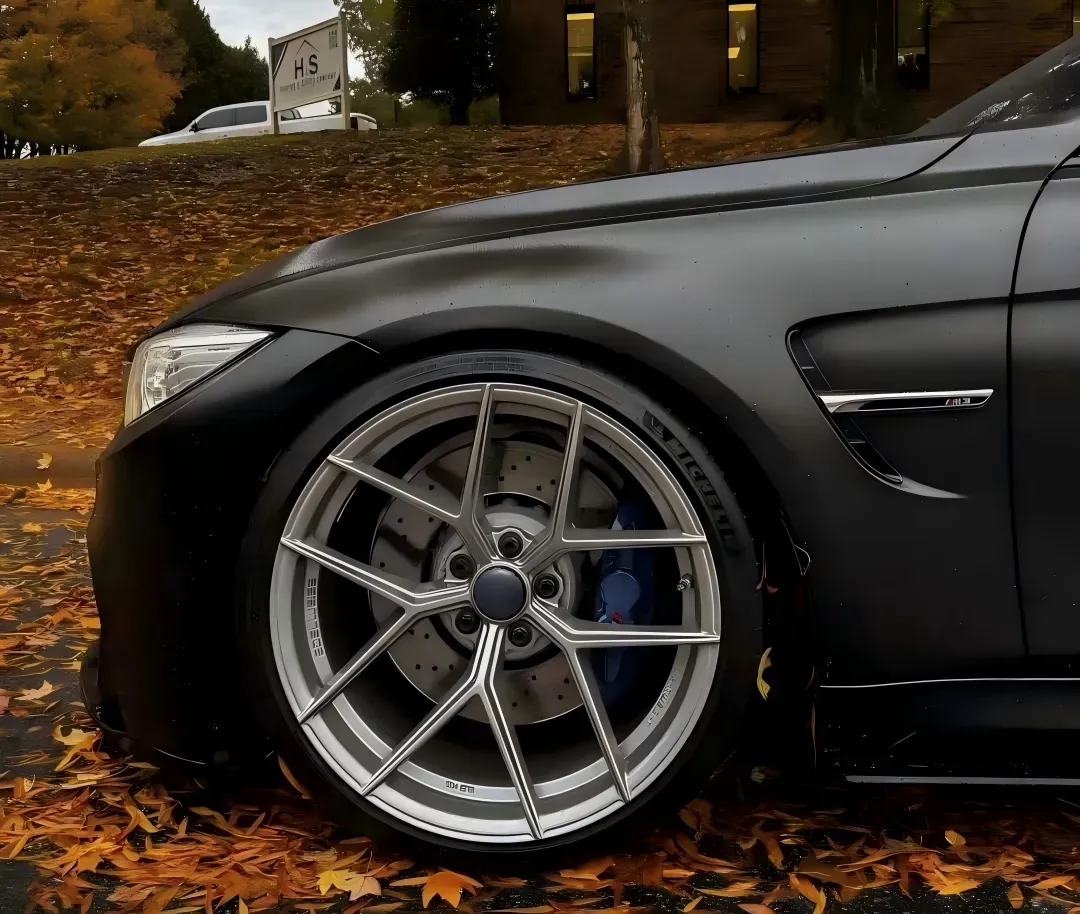
The history of wheel design has transitioned through various phases, from the classic deep-dish look of the 90s to the modern concave movement. The primary appeal of custom forged concave wheels lies in their ability to manipulate perspective. By curving the spokes inward from the outer rim to the center hub, designers can create a visual depth that enhances the vehicle's stance. This "concavity" can be subtle (mid-concave) or extreme (super concave), depending on the vehicle's brake clearance and the desired offset.
Modern enthusiasts often prefer the concave look over the traditional lip because it maximizes the spoke length, making the wheel appear larger and more integrated with the car's body lines. Engineering such wheels requires a deep understanding of load distribution. Because the spokes are angled, they must be designed to withstand lateral forces while maintaining a slim profile. This is where the forging process becomes critical; without the strength of forged aluminum, a deep concave design would require excessively thick spokes, which would add unwanted weight and negate the performance benefits.
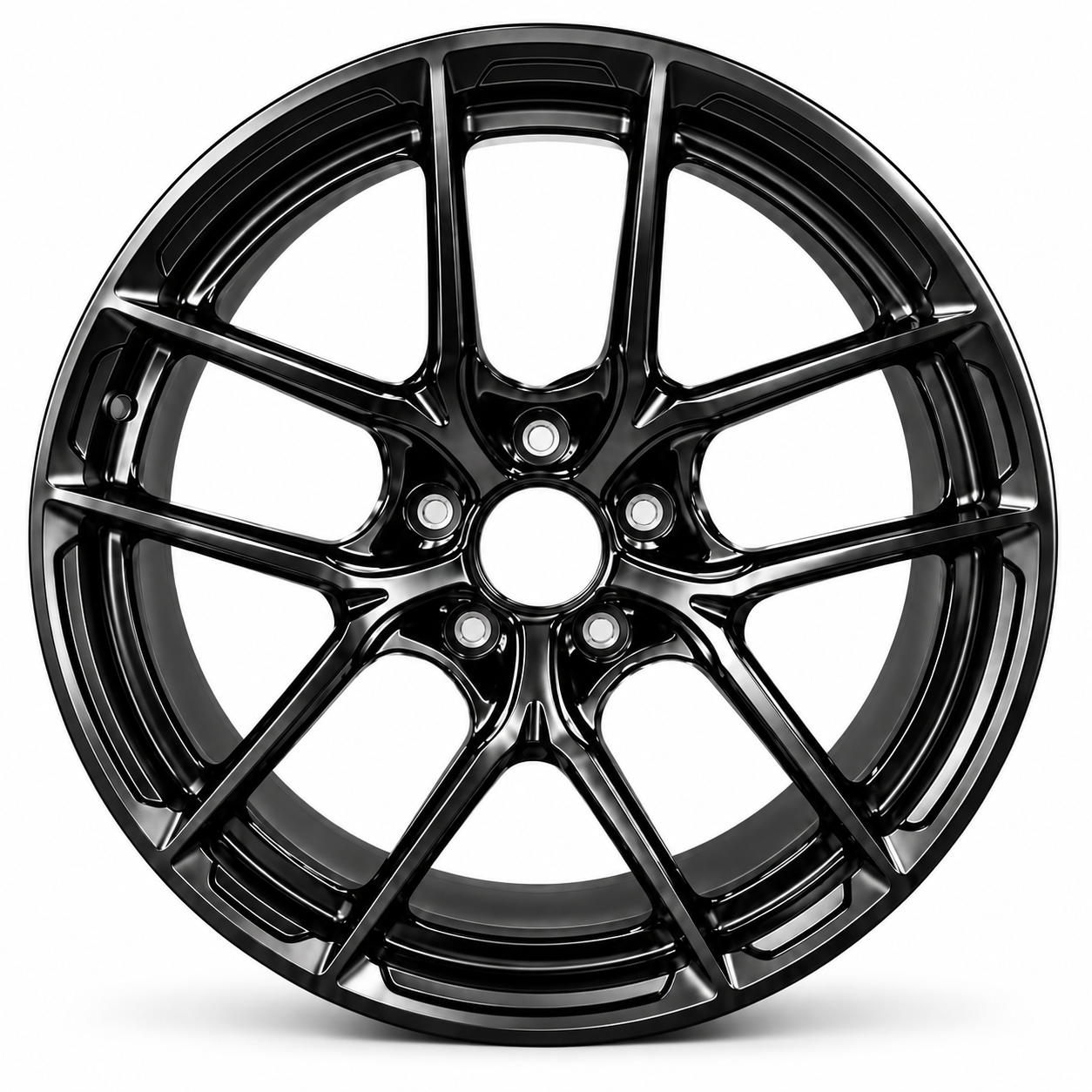
Furthermore, the customization options for these wheels are virtually limitless. From brushed bronze finishes to high-gloss piano black, the concave surface provides a unique canvas for light and shadow to interact. As automotive design becomes more angular and aggressive, the demand for custom forged concave wheels continues to grow, as they provide the perfect finishing touch to any modern aerodynamic kit.
Aerospace Engineering: The Forging Process
To understand the value of custom forged concave wheels, one must understand the metallurgical differences between casting and forging. Casting involves pouring molten aluminum into a mold, which can lead to porosity and structural weaknesses. Forging, however, utilizes a solid block of aluminum alloy that is heated and compressed under 10,000 tons of pressure. This process eliminates internal voids and creates a continuous grain flow, allowing the wheel to be much thinner and lighter while remaining vastly stronger.
Once the "blank" is forged, it is placed in a precision CNC machine. This is where the magic of the concave design happens. The machine carves out the intricate spoke patterns and the deep central drop based on a bespoke CAD model designed specifically for the customer's vehicle. Every millimeter is calculated to ensure the wheel clears the brake calipers while achieving the maximum possible concavity.
Heat treatment is the final critical step. The T6 tempering process ensures the aluminum reaches its peak hardness and durability. For performance vehicles that frequent the track, this means the wheels can withstand the extreme heat generated by high-performance braking systems without warping or losing structural integrity. When you invest in custom forged concave wheels, you are investing in a product that has been engineered to the same standards as components found in aviation and racing.
Fitment Challenges and Offset Optimization
One of the most complex aspects of choosing custom forged concave wheels is ensuring perfect fitment. Because the spokes curve inward, there is a constant battle between the depth of the concavity and the space required for the brake system. Vehicles with large multi-piston calipers require careful engineering to ensure the spokes do not strike the brakes. This is why "off-the-shelf" wheels often fail to provide the aggressive look enthusiasts crave; they are designed for a "one size fits all" clearance.
The term "offset" (ET) refers to the distance between the hub mounting surface and the centerline of the wheel. For a deep concave effect, a lower offset is usually required, pushing the hub mounting surface further back into the wheel. However, pushing the wheels out too far can lead to rubbing against the fender liners or affecting the scrub radius of the suspension.
Professional customization involves taking precise measurements of the vehicle's hub, fender clearance, and brake dimensions. By utilizing custom forged concave wheels, we can tailor the offset to the specific millimeter, ensuring the wheel sits perfectly flush with the fender. This level of precision not only improves the car's appearance but also ensures that the suspension geometry remains optimized for performance driving.
Unlocking Performance Through Weight Reduction
While the aesthetic appeal is undeniable, the primary reason many racers and performance enthusiasts switch to custom forged concave wheels is weight reduction. Wheels are "unsprung mass," meaning they are not supported by the vehicle's suspension. Reducing unsprung mass has a disproportionate effect on performance compared to reducing weight inside the cabin.
Lighter wheels require less energy to rotate, which translates to faster acceleration and more responsive braking. Furthermore, because there is less rotational inertia, the suspension can react more quickly to bumps and changes in the road surface, leading to significantly improved mechanical grip. A typical set of custom forged wheels can be 20% to 30% lighter than factory cast wheels, which is a massive difference in high-performance scenarios.
Additionally, the forging process allows for thinner spoke designs that promote better airflow to the brakes. Cooling is essential for maintaining consistent stopping power during spirited driving or track sessions. By combining a concave design that pulls air into the center with lightweight materials, custom forged concave wheels serve as a functional performance upgrade that pays dividends in every corner.
Aesthetics: Defining Your Unique Automotive Style
The beauty of the custom market is the ability to choose a finish that complements your vehicle's paint and personality. Custom forged concave wheels offer a variety of surface treatments that are not possible with mass-produced wheels. For instance, a "hand-brushed" finish creates a raw, industrial texture that is then locked in with a transparent clear coat or a colored tint like smoke or gold.
Another popular option is the multi-piece construction. While monoblock wheels are carved from a single piece of aluminum, 2-piece and 3-piece wheels allow for different finishes on the center face and the outer rim. You could have a matte black concave center paired with a polished chrome lip, providing a contrast that highlights the wheel's depth.
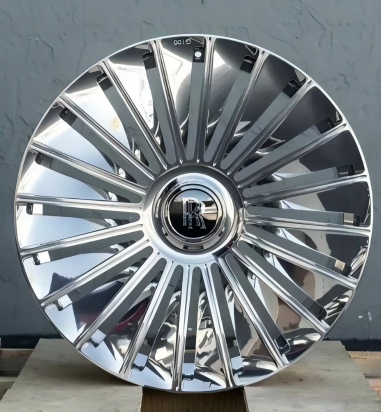
Every detail can be customized, down to the center caps and the hardware. Whether you prefer a clean 5-spoke design or an intricate mesh pattern, the concave profile adds a layer of sophistication. When light hits the angled spokes of custom forged concave wheels, it creates a dynamic visual effect that changes as the car moves, ensuring your vehicle stands out in any crowd.
RETA: Your Partner in Forged Excellence
RETA has established itself as a premier manufacturer specializing in the design and production of high-end wheel solutions. Our commitment to quality is reflected in our rigorous testing protocols, ensuring that every wheel meets or exceeds JWL and VIA standards. We specialize in producing custom forged concave wheels that are specifically engineered for world-class vehicles.
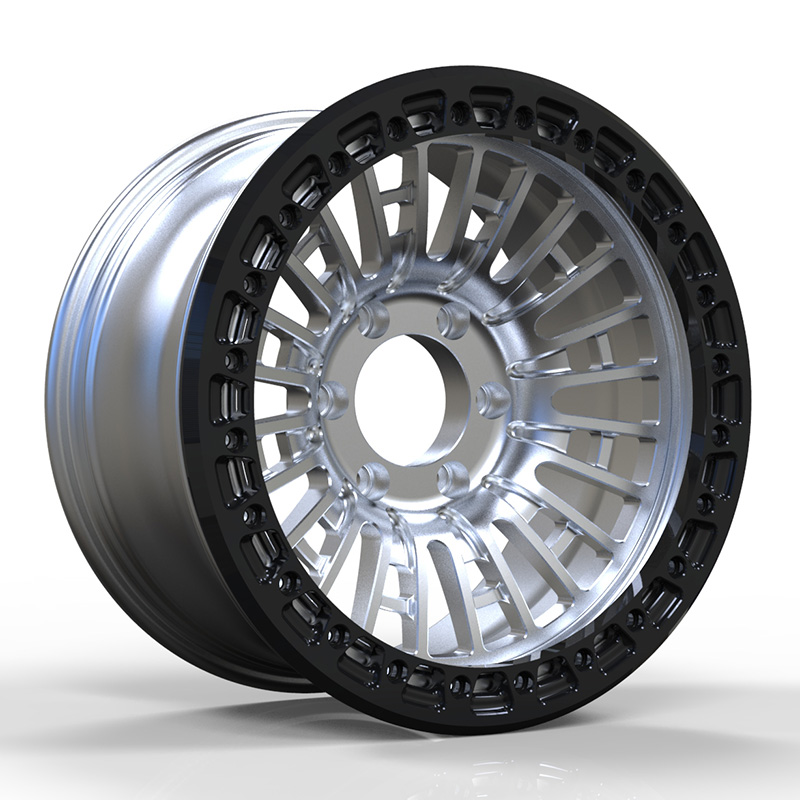
Our product lineup includes everything from ultra-lightweight monoblock designs for racing to complex 2-piece "Black Warrior" styles for a more personalized look. We pride ourselves on our ability to turn a client's vision into reality. If you have a specific design in mind, our engineering team can create a 3D render to ensure it fits your aesthetic and technical requirements.
Why choose RETA? Our advantage lies in our state-of-the-art facility and our direct-to-consumer model, which allows us to provide professional-grade super concave forged wheels without the middleman markup. We use only the highest quality A7075 and T6-6061 aluminum, ensuring that your wheels are not only beautiful but also built to last a lifetime. From SUV matte black designs to transparent red finishes for BMW M series, RETA is the ultimate destination for wheel perfection.
Frequently Asked Questions
Q1: What makes custom forged concave wheels stronger than cast wheels?
The strength comes from the forging process. By compressing a solid aluminum billet under extreme pressure, we eliminate internal porosity and create a dense grain structure. This allows custom forged concave wheels to handle higher load ratings while using less material, making them both stronger and lighter than cast wheels.
Q2: Can custom forged concave wheels be fitted on any car?
Most modern vehicles can accommodate a concave design, but the degree of concavity depends on the car's specific dimensions. At RETA, we analyze your brake clearance and fender space to maximize the concave effect without causing mechanical interference. Our custom forged concave wheels are tailored to your specific vehicle make and model.
Q3: How do I maintain the finish on my custom forged concave wheels?
Maintenance is simple but important. We recommend regular cleaning with mild soap and water. Avoid harsh chemicals or abrasive brushes that could scratch the clear coat. Because custom forged concave wheels often feature intricate designs, using a soft microfiber mitt ensures you can reach into the concave drops and between the spokes easily.
Q4: What is the typical lead time for a set of custom forged concave wheels?
Since every set is built to order, the process typically takes between 3 to 5 weeks. This includes the engineering phase, CNC machining, hand-finishing, and rigorous quality control. RETA ensures that every set of custom forged concave wheels is perfect before it leaves our facility.
Q5: Are custom forged concave wheels suitable for track use?
Absolutely. In fact, they are ideal for the track. The reduced weight improves lap times, and the superior strength of forged aluminum handles high-speed cornering forces with ease. Many of our custom forged concave wheels are designed specifically for performance-oriented clients who demand the best in both style and functionality.
Conclusion
Custom forged concave wheels represent the pinnacle of modern wheel technology and design. They offer a transformative experience for any vehicle, providing unmatched strength, reduced weight, and a breathtaking aesthetic. By choosing a bespoke forged solution, you are not just buying wheels; you are investing in the performance and longevity of your car.
Ready to transform your ride with the ultimate wheel upgrade?