

Forged vs Cast vs Flow-Formed Wheels:Comparison for Car Enthusiasts
2026-06-30 16:03
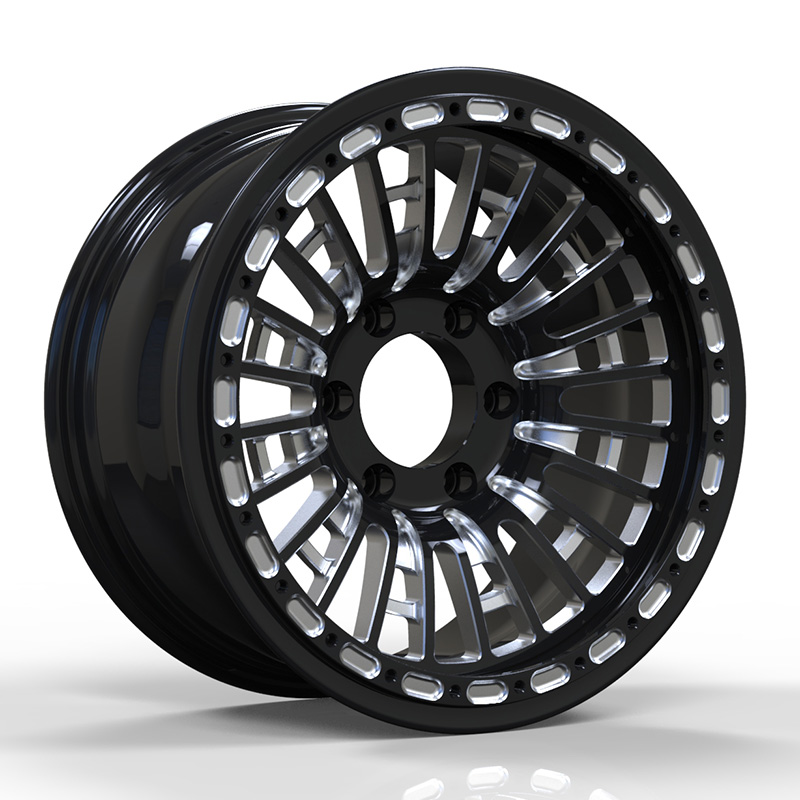
Confused about forged, cast and flow-formed wheels? Our 2026 complete comparison guide covers strength, weight, cost, durability and best usage scenarios. Ideal for car enthusiasts, wholesale importers and auto dealers looking for high-quality custom forged wheel hubs for performance, off-road and luxury vehicles.
When upgrading vehicle wheel hubs, most car owners and wholesale buyers struggle to choose among three mainstream wheel production technologies: forged, cast and flow-formed wheels. Each manufacturing method determines product strength, weight, service lifespan, safety performance and market price, directly affecting driving experience and long-term investment return. In 2026, as global aftermarket automobile modification demand rises, understanding these core differences becomes essential for every buyer to avoid overspending or purchasing unqualified wheels that bring hidden safety hazards.
Cast wheels occupy the largest market share in the entry-level vehicle market. Manufacturers melt A356 aluminum alloy and inject liquid metal into fixed molds for one-time forming. The biggest advantages are low production cost and rich surface design styles, which are suitable for mass production of daily family car original wheels. However, inherent tiny pores inside cast aluminum lead to weaker impact resistance; strong collisions on potholed roads or curbs easily cause invisible cracks, bringing risks of tire air leakage and wheel sudden fracture.
Flow-formed wheels are regarded as a cost-effective middle-end solution. The wheel barrel is hot-spun and extruded after casting forming, improving rim density and tensile strength while realizing partial lightweighting. Its overall performance is better than cast wheels but still inferior to fully forged products, more suitable for mild street modification and medium-load SUV use.
Monoblock forged wheels represent the top tier of wheel manufacturing technology. Processed from solid 6061-T6 aluminum blocks under thousands of tons of forging pressure, the internal metal grains are tightly arranged without pores or structural defects. Test data proves forged wheels can withstand 25% more impact energy before cracking, with 50% longer fatigue service life than cast wheels. Meanwhile, 15%-25% lighter weight significantly optimizes vehicle acceleration, cornering handling and braking performance, becoming the standard configuration for track racing cars, high-end luxury vehicles and heavy-duty off-road pickup trucks.
Although forged wheels have higher upfront procurement costs, their excellent wear resistance, corrosion resistance and high residual resale value bring remarkable long-term comprehensive benefits for individual car owners and wholesale auto dealers, making them the fastest-growing segment in the global wheel aftermarket in recent years.
Related Articles
New Arrival: Gloss Black Split-Spoke Wheels
2026-09-28 13:49
Global Custom Forged Wheels Market Rising
2026-06-24 17:03
New Arrival: Mirror Polished Forged Aluminum Commercial Truck Wheels
2026-06-23 14:28
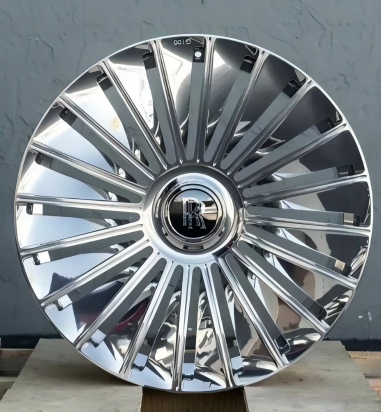
Rolls Royce Ghost Custom Turbine Wheels
2026-06-02 10:09
share to