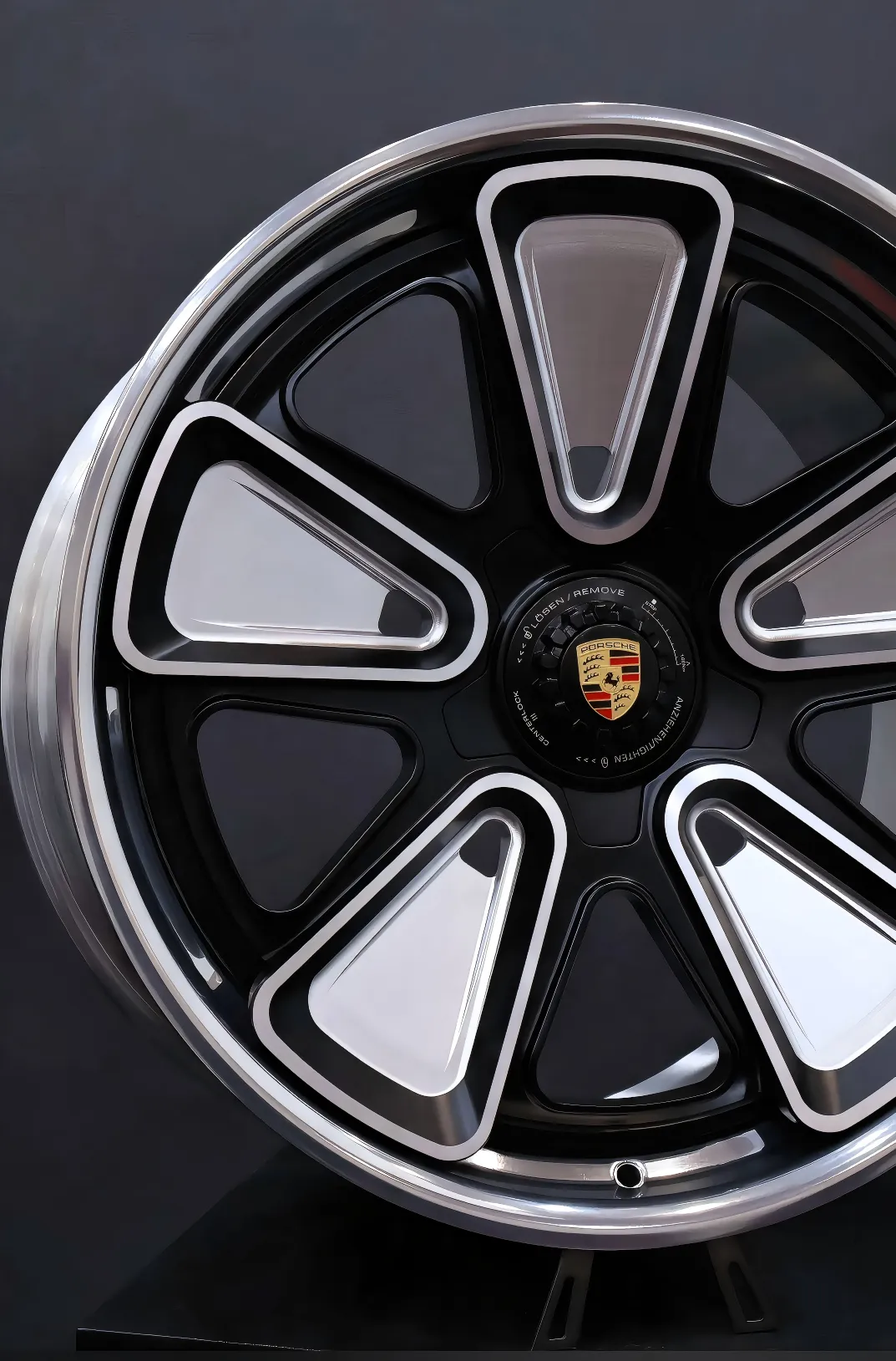
The Evolution of High-Performance Wheel Engineering
The Porsche 911 is more than just a sports car; it is a benchmark of automotive engineering that has survived and thrived for over six decades. From the air-cooled classics to the sophisticated 992 generation, every component is designed for precision. However, when it comes to maximizing the potential of this legendary platform, the factory-installed wheels often leave room for improvement. Upgrading to high-quality forged wheels for Porsche 911 is not merely an aesthetic choice—it is a performance-driven necessity for owners who demand the absolute best in handling, safety, and style.
Standard cast wheels, while functional for daily driving, are limited by their manufacturing process. Casting involves pouring molten aluminum into a mold, which can result in microscopic porosity and a less dense molecular structure. In contrast, the forging process utilizes extreme pressure to shape a solid billet of 6061-T6 aerospace-grade aluminum. This results in a wheel that is significantly stronger and lighter. When you choose forged wheels for Porsche 911, you are reducing unsprung mass, which directly improves the suspension's ability to react to road surfaces, providing a more connected and communicative driving experience.
Furthermore, the Porsche 911 features a unique rear-engine layout that places specific demands on the rear axle. The traction and torque handled by the rear wheels require structural integrity that only a forged component can provide. Whether you are navigating a canyon road or pushing the limits on a track day, the stability offered by premium forged alloys ensures that your wheels remain true under the most intense lateral forces.
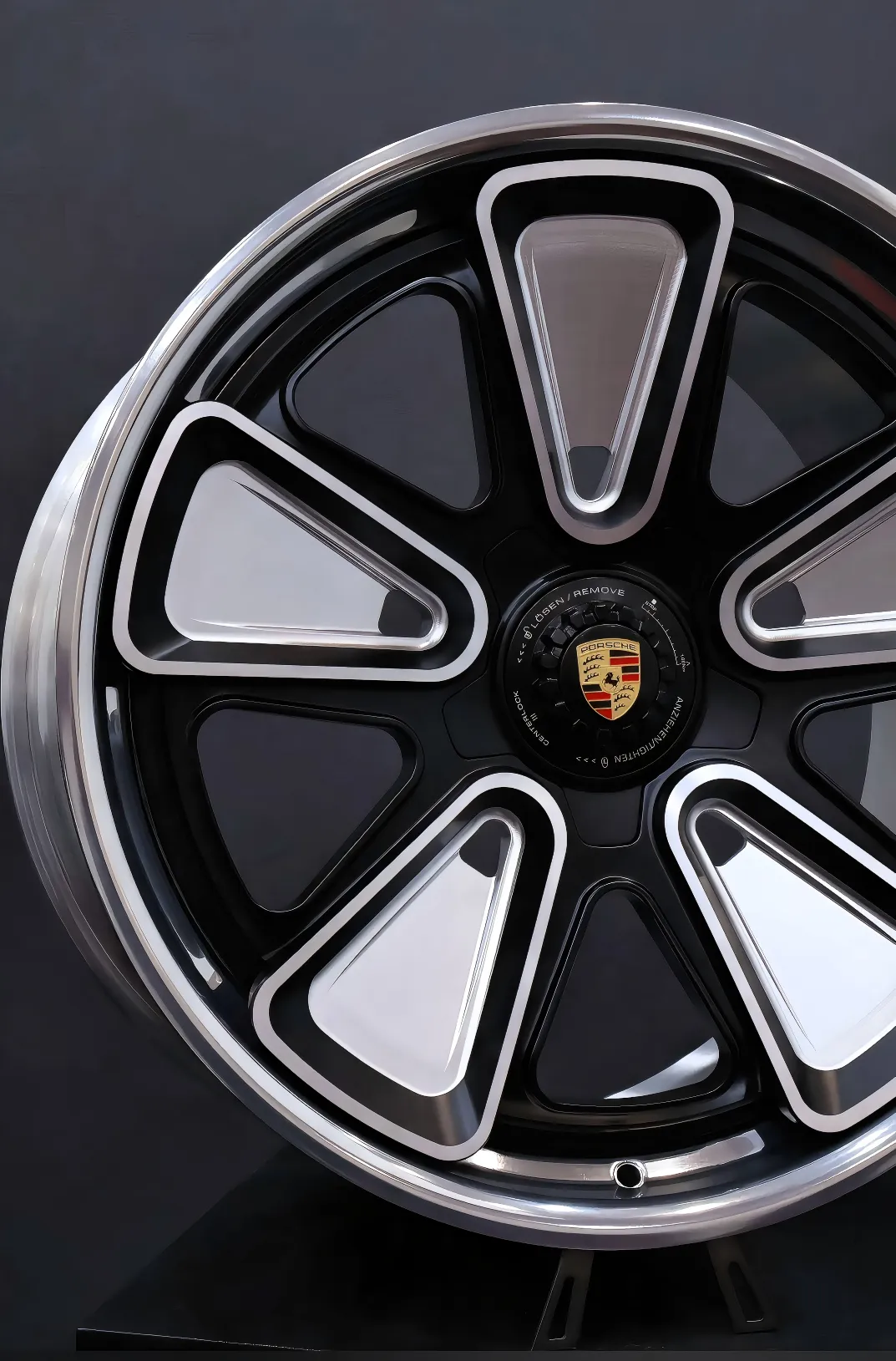
Technical Superiority: Why Forging Matters
The technical superiority of forged wheels for Porsche 911 lies in the grain structure of the metal. During the forging process, the aluminum's grain flow is aligned with the shape of the wheel, creating a continuous fiber structure. This allows engineers to use less material to achieve higher load ratings compared to cast wheels. For a car as finely tuned as a 911, removing even a few pounds of weight from each corner can have a transformative effect on the vehicle's rotational inertia.
Rotational inertia refers to the energy required to start or stop the wheels from spinning. A lighter forged wheel requires less effort from the engine to accelerate and less effort from the braking system to decelerate. This results in quicker throttle response and shorter stopping distances. In the context of the Porsche 911 GT3 or Turbo models, where milliseconds count, the efficiency gained from forged wheels can be the difference between a podium finish and a mid-pack result.
Additionally, forged wheels offer superior heat dissipation. High-performance braking systems on Porsche vehicles generate immense heat during spirited driving. The dense aluminum of a forged wheel acts as a more efficient heat sink, drawing thermal energy away from the brake rotors and calipers. This helps prevent brake fade and ensures consistent performance throughout your journey. When you invest in forged wheels for Porsche 911, you are investing in a comprehensive performance upgrade that touches every aspect of the car's dynamics.
Understanding Fitment: 991 vs. 992 Generations
Achieving the perfect stance for a Porsche 911 requires a deep understanding of fitment specifications, which vary significantly between different generations and sub-models. For the 991 generation, typical staggered setups involve 20-inch or 21-inch diameters. The narrow-body Carrera models require different offsets (ET) compared to the wide-body Carrera 4S, GTS, or Turbo models. A properly engineered set of forged wheels for Porsche 911 will take these nuances into account to ensure the wheels sit flush with the fenders without rubbing.
The 992 generation introduced even more complex fitment requirements, often utilizing a "mixed" diameter setup, such as 20-inch wheels on the front and 21-inch wheels on the rear. This setup is designed to optimize the contact patch and enhance the car's aggressive rake. Customizing forged wheels for Porsche 911 allows owners to fine-tune the offset to the millimeter. This precision is vital for maintaining the sophisticated suspension geometry that Porsche engineers have perfected, especially for cars equipped with Rear-Axle Steering (RAS).
Another critical consideration is the center-lock vs. five-lug configuration. Many high-end 911 variants, like the Turbo S and GT3, come equipped with center-lock hubs derived from racing technology. Designing forged wheels for Porsche 911 with center-lock compatibility requires specialized engineering to ensure the torque loads are distributed correctly. At RETA, we specialize in both traditional 5-lug and advanced center-lock designs, providing a seamless fit that respects the car's original engineering while enhancing its visual presence.
The Aesthetic Power of Concavity and Finish
One of the primary reasons enthusiasts upgrade to forged wheels for Porsche 911 is the ability to achieve a deep concave profile. Concavity—the depth of the wheel face from the outer rim to the center hub—adds a dramatic three-dimensional look to the vehicle. Because of the 911's wide rear fenders, there is ample space to implement "Super Concave" designs that emphasize the car's power and width.
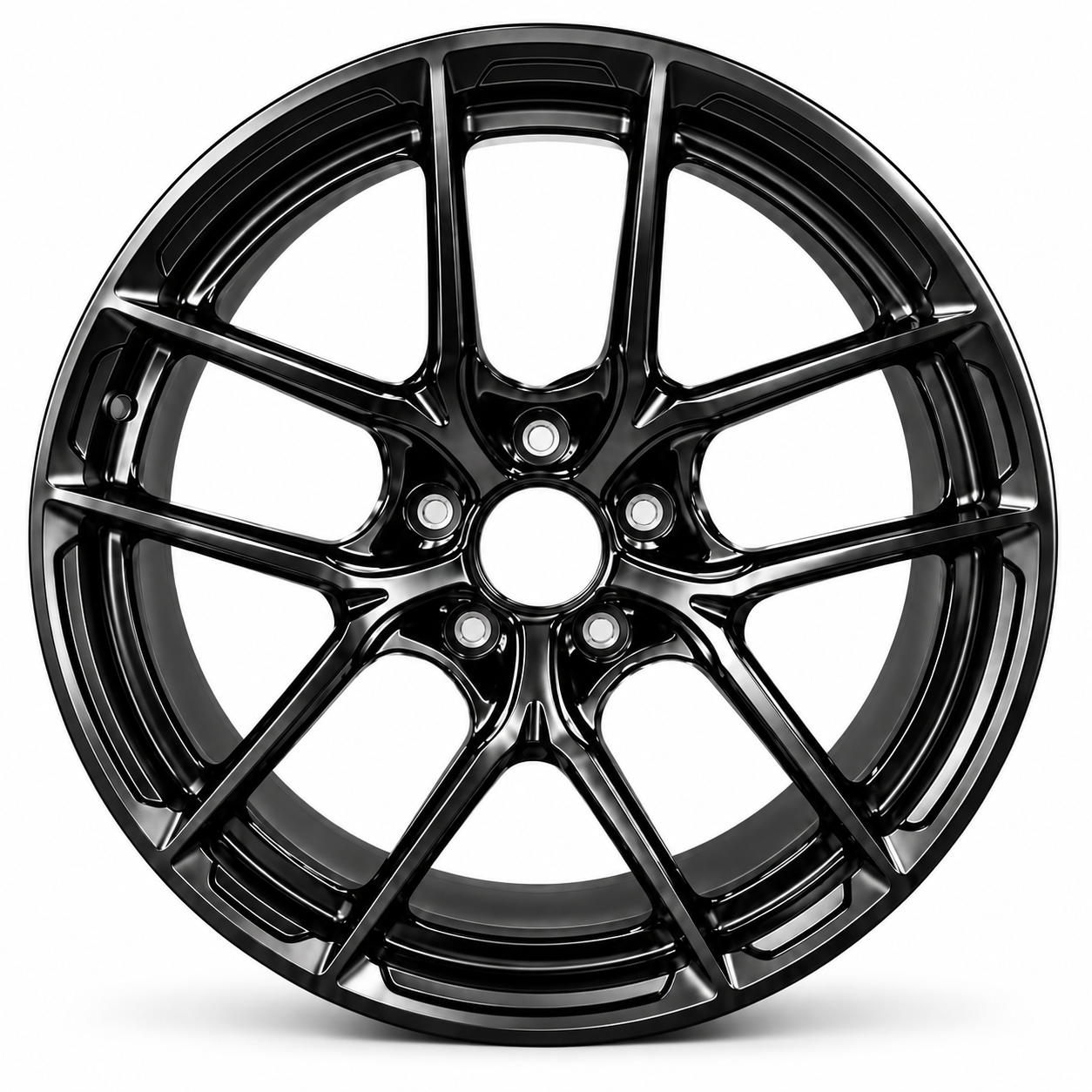
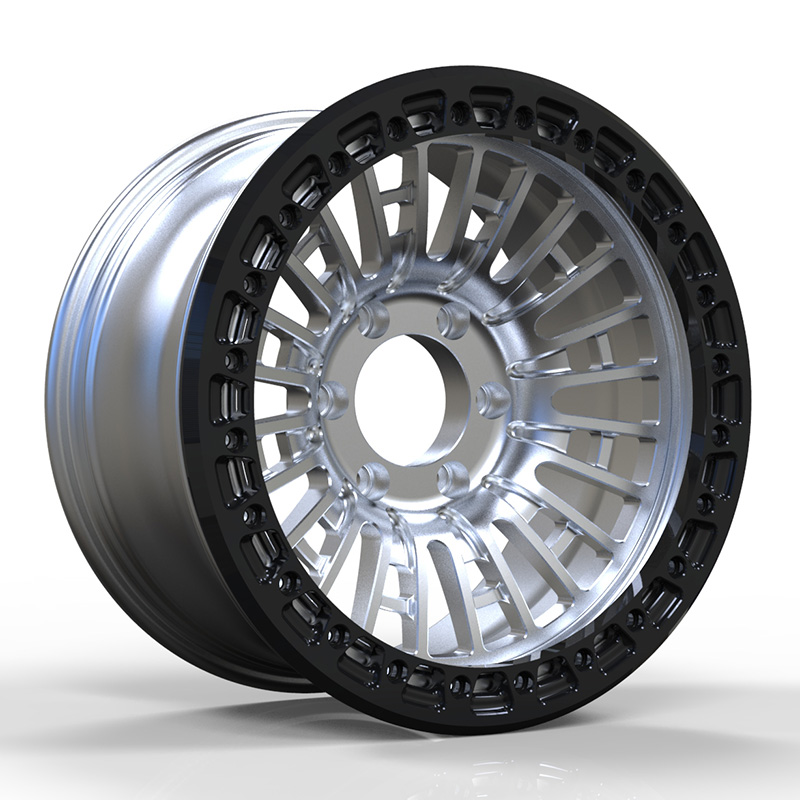
Customization doesn't stop at the shape. Forged wheels offer an almost limitless array of finishing options. From classic brushed aluminum and polished lips to modern matte black, satin bronze, or even transparent tinted clears that showcase the machining marks of the forge. These finishes are applied using advanced powder coating or hand-brushing techniques that are far more durable than standard paint. This ensures that your forged wheels for Porsche 911 remain looking pristine even after years of exposure to road debris and brake dust.
A well-chosen wheel finish can completely change the personality of a 911. A silver or polished finish might lend a "GT" or classic elegance to a Carrera, while a dark, aggressive finish can transform a GT3 into a track-focused weapon. The ability to tailor the wheel's design to the owner's specific vision is what makes the custom forged wheel market so essential to the Porsche community.
About RETA: Precision Engineering for Porsche
RETA is a premier manufacturer specializing in the design and production of bespoke forged wheels. With a focus on high-performance European marques, our expertise in creating forged wheels for Porsche 911 is unmatched. We utilize state-of-the-art CNC machining and 10,000-ton forging presses to ensure every wheel meets the highest safety and performance standards.
Our advantage lies in our personalized approach. Whether you are looking for a Porsche 992 Turbo S custom setup or a unique GT3 inspired forged wheel, RETA provides 1-on-1 design consultations. We offer various configurations, including monoblock (one-piece), two-piece forged wheels, and even center-lock adaptations.
Ultra-Lightweight: Reduce unsprung weight by up to 30% compared to OEM cast wheels.
Custom Fitment: Tailored offsets for the perfect flush look without spacers.
Premium Finishes: Hand-brushed, polished, and custom powder colors available.
Frequently Asked Questions
Q1: Why should I choose forged wheels for Porsche 911 instead of flow-formed ones?
Forged wheels offer the highest strength-to-weight ratio. While flow-formed wheels are better than cast, only forged wheels for Porsche 911 provide the structural integrity required for high-horsepower models like the Turbo or GT3, especially under track conditions where lateral stress is extreme.
Q2: Can RETA manufacture center-lock forged wheels for Porsche 911?
Yes, RETA specializes in center-lock engineering. We can produce custom forged wheels for Porsche 911 that are fully compatible with the factory center-lock system, ensuring perfect torque retention and safety for GT3, GT2RS, and Turbo S models.
Q3: How much weight can I save by switching to forged wheels for Porsche 911?
On average, our forged wheels for Porsche 911 can save between 3 to 6 kilograms per wheel compared to standard factory cast wheels. This significant reduction in unsprung mass improves acceleration, braking, and suspension responsiveness.
Q4: What is the lead time for custom forged wheels for Porsche 911 at RETA?
Our typical production time for custom forged wheels for Porsche 911 is approximately 15 to 25 days. This includes the engineering phase, CNC machining, hand-finishing, and rigorous quality control testing to ensure the highest standards.
Q5: Do forged wheels for Porsche 911 require special maintenance?
Maintaining forged wheels for Porsche 911 is straightforward. Because they use high-quality powder coats or clear coats, they are resistant to the elements. We recommend regular cleaning with pH-neutral wheel cleaners to keep the finish looking new and to prevent brake dust buildup.
Conclusion
Upgrading to forged wheels for Porsche 911 is the ultimate way to harmonize form and function. By choosing a custom-engineered solution, you enhance the car's performance, safety, and visual appeal. RETA is committed to providing Porsche owners with the highest quality forged components that do justice to the legendary 911 badge.
Ready to transform your Porsche 911?
Contact RETA Today for a Quote