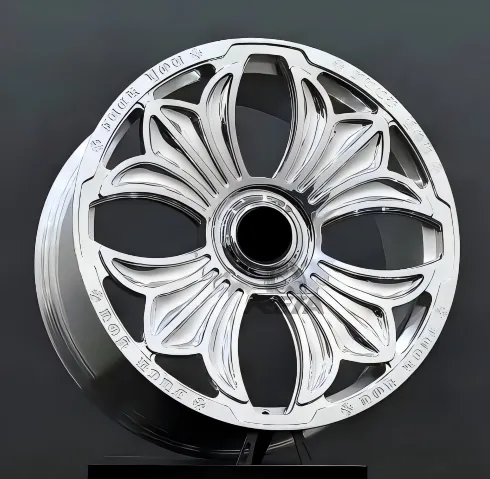
An in-depth guide into the metallurgy, design, and performance standards of the world's most elite automotive wheels.
The Pinnacle of Automotive Excellence
When it comes to automotive performance, the term German engineering is synonymous with meticulous attention to detail, uncompromising quality, and advanced technological integration. In the realm of aftermarket and performance upgrades, German engineered forged wheels represent the absolute zenith of what is possible. These are not merely aesthetic enhancements; they are critical performance components designed to withstand the extreme stresses of high-speed driving, track environments, and daily rigors. By combining the legendary precision of European design philosophies with the superior strength of forged aluminum, these wheels provide a driving experience that is lighter, stronger, and more responsive than any traditional casting method could ever achieve.
For the discerning enthusiast, choosing the right wheel involves understanding the complex intersection of metallurgy and physics. A wheel is the only point of contact between your vehicle's power and the road. Therefore, the structural integrity of that wheel determines everything from braking efficiency to cornering stability. In this comprehensive guide, we will explore why the industry looks toward these specialized manufacturing standards and how brands like RETA are bringing this level of elite engineering to the global market. Whether you drive a high-performance BMW, a luxury Ferrari, or a rugged off-road vehicle, the principles of precision forging remain the same: reduce unsprung weight, maximize tensile strength, and deliver a design that is as beautiful as it is functional.

The Science of Forging vs. Casting
To appreciate the value of German engineered forged wheels, one must first understand the metallurgical difference between forging and casting. Casting involves pouring molten aluminum into a mold. While cost-effective, this process often results in porosity—tiny air bubbles or inconsistencies within the metal structure. Over time, these microscopic voids can lead to cracks under heavy loads. Forging, however, utilizes a completely different approach. It starts with a solid billet of 6061-T6 aerospace-grade aluminum. This billet is subjected to immense pressure, often exceeding 10,000 tons, which physically compresses the grain structure of the metal. This alignment of the "grain" creates a much denser and more uniform material, allowing for thinner spokes and lighter barrels without sacrificing any load-bearing capacity.
This densification is where the "precision" element truly shines. Because the forged material is inherently stronger, engineers can use less of it. This leads to a significant reduction in unsprung mass. In the world of physics, reducing unsprung weight—the weight not supported by the car's suspension—has a transformative effect on vehicle dynamics. It allows the suspension to react more quickly to road imperfections, improves steering feedback, and decreases the rotational inertia required to accelerate or decelerate. When you equip a vehicle with these high-performance components, you are essentially "unlocking" the true potential of the engine and braking system. This is the hallmark of the German philosophy: efficiency through superior material science.
Design Philosophy: Form Follows Function
The aesthetic of German engineered forged wheels is rarely about flashiness for its own sake. Instead, every curve, every spoke, and every hollowed-out pocket is the result of Finite Element Analysis (FEA). FEA is a computer simulation technique used to predict how a product reacts to real-world forces, vibration, heat, and other physical effects. By utilizing this technology during the design phase, manufacturers can identify high-stress areas and reinforce them, while simultaneously removing unnecessary material from low-stress zones. This creates a wheel that is optimized down to the last millimeter. It is a harmonious balance where the visual appeal of the wheel is a direct byproduct of its structural optimization.
Furthermore, the customization options available in the forging process allow for specific fitments that cast wheels simply cannot match. Whether it is a deep concave profile for a BMW M4 or a center-lock design for a Porsche 911 GT3, the forging process allows for extreme offsets and widths while maintaining TUV-level safety standards. The result is a bespoke product tailored to the specific weight and torque characteristics of the vehicle. This level of customization ensures that the wheels do not just "fit" the car; they are integrated into its very DNA. At RETA, we take this philosophy to heart, ensuring that every design undergoes rigorous testing to meet the demands of modern high-performance driving.
Performance Gains and Longevity
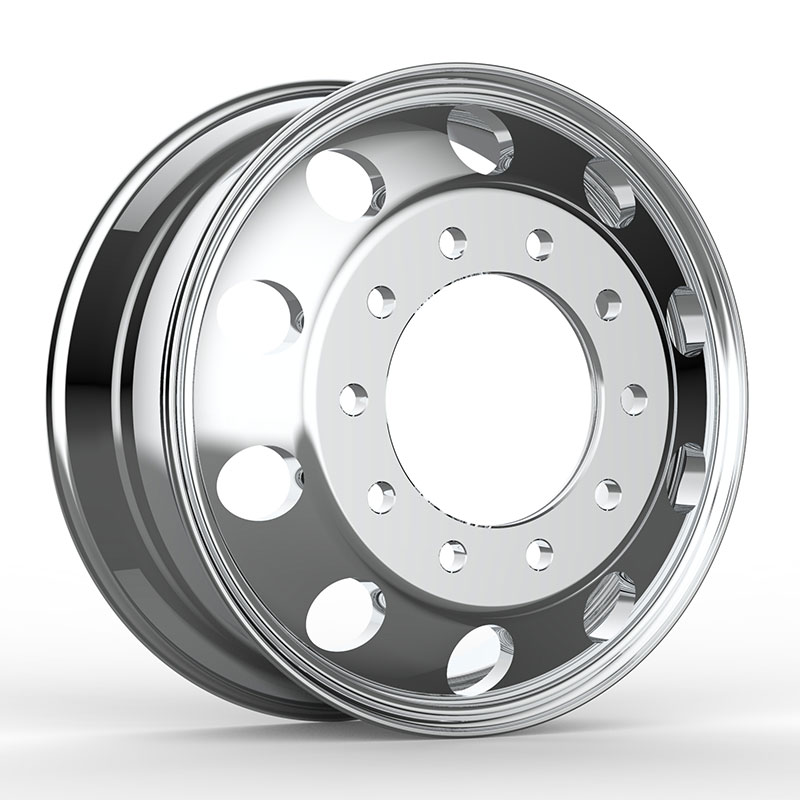
Investing in high-quality wheels is as much about longevity as it is about performance. German engineered forged wheels are built to last the lifetime of the vehicle. Because of their high tensile strength, they are much more resistant to bending or "out-of-round" issues caused by potholes or track curbing. While a cast wheel might shatter under extreme impact, a forged wheel is more likely to deform slightly, which can often be a safer failure mode at high speeds. This durability makes them an ideal choice for both track-focused machines and heavy luxury SUVs that require high load ratings. The specialized heat treatment processes (such as the T6 aging process) ensure that the metal maintains its properties even after years of heat cycles from braking.
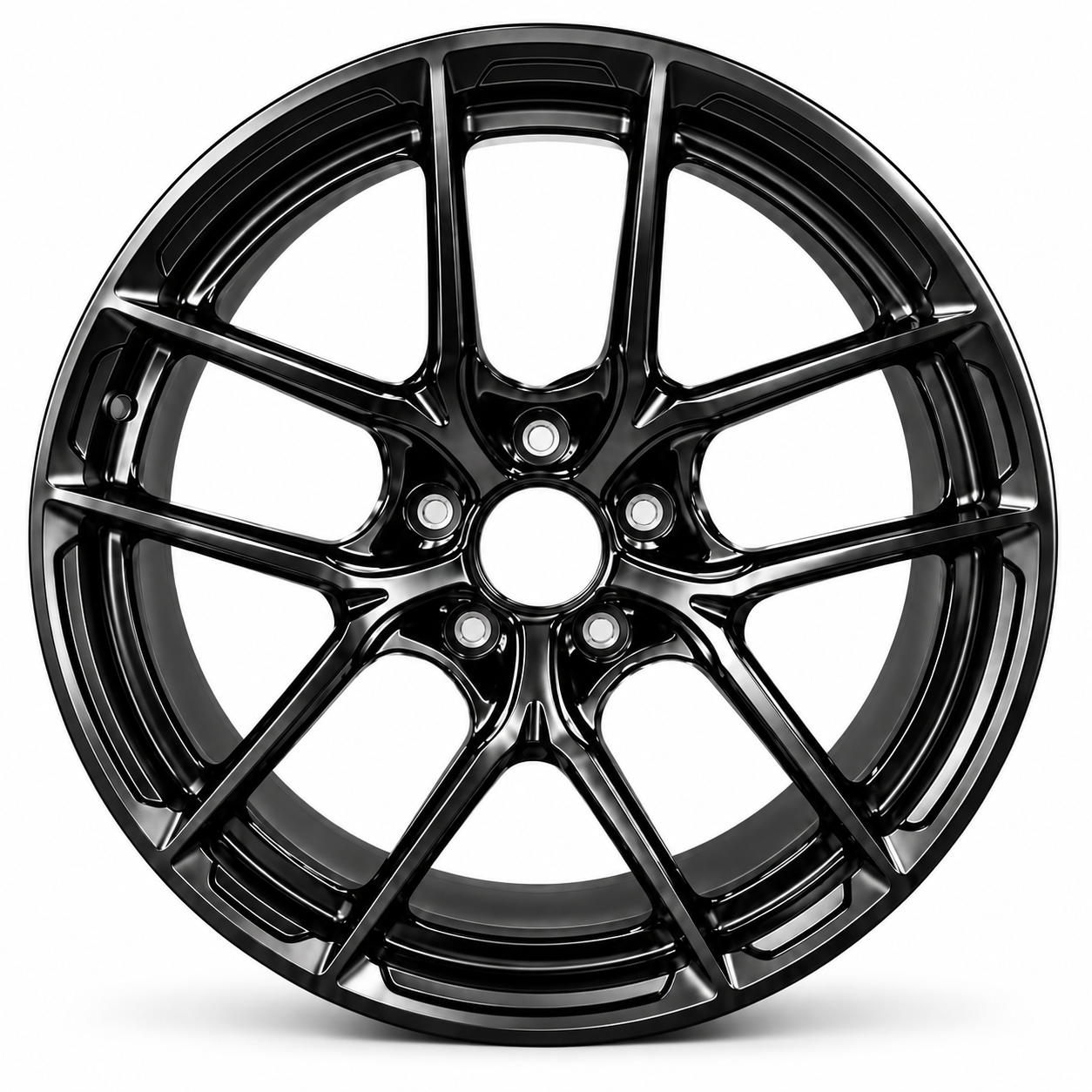
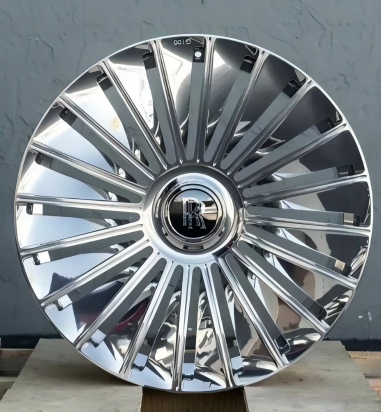
Additionally, the finish quality of these wheels is superior. The density of forged aluminum provides a better "canvas" for finishing techniques like hand-brushing, polishing, or transparent powder coating. Since the metal is free of the pits and gas pockets found in cast wheels, the final surface is smoother and more reflective. This allows for sophisticated finishes like brushed bronze or piano black that stay vibrant and resist corrosion. For owners of vehicles like the Audi RS6 or Mercedes-AMG G63, this means the wheels will maintain their showroom appearance even under harsh weather conditions, provided they receive basic maintenance. It is this combination of ruggedness and refinement that defines the category.
Why Choose RETA Forged Wheels
At RETA, we specialize in the manufacturing of elite-tier German engineered forged wheels. Our facility utilizes the latest in CNC machining and forging technology to produce wheels that meet and exceed international quality standards. We understand that our customers are looking for more than just a set of rims; they are looking for a performance upgrade that reflects their personal style and the prestige of their vehicle. From monoblock designs to complex multi-piece configurations, RETA offers a comprehensive range of products tailored for the world's most demanding drivers.
Our product lineup includes specialized fitments such as the BMW G82 M4 CSL style wheels and our signature Super Concave series. We also cater to the growing electric vehicle market with our Tesla customized forged wheels, focusing on aerodynamics and weight reduction to maximize range. Every RETA wheel is a testament to our commitment to excellence, combining the principles of German engineering with cutting-edge manufacturing efficiency. When you choose RETA, you are choosing a partner dedicated to the art and science of the perfect wheel.
10,000-ton forging pressure for maximum density.
Aerospace-grade 6061-T6 aluminum alloy.
Custom FEA-verified designs for every vehicle.
Frequently Asked Questions
Q1: What are the main benefits of German engineered forged wheels compared to cast ones?
The primary benefits include a significantly higher strength-to-weight ratio, increased durability against impacts, and better heat dissipation. Because the forging process eliminates internal porosity, these wheels can be made lighter while carrying higher load ratings, which improves overall vehicle performance and safety.
Q2: How does RETA ensure the quality of their German engineered forged wheels?
At RETA, every wheel undergoes a rigorous multi-stage quality control process. This includes ultrasonic testing to check for internal flaws, Finite Element Analysis (FEA) to ensure structural integrity under load, and precise CNC machining to guarantee perfect balance and fitment. Our standards are aligned with elite engineering principles to ensure every customer receives a flawless product.
Q3: Can German engineered forged wheels improve the fuel efficiency of my car?
Yes, indirectly. By reducing the rotational mass of the vehicle, the engine does not have to work as hard to get the wheels spinning. This reduction in inertia can lead to slight improvements in fuel economy and significantly better throttle response, especially in stop-and-go city driving.
Q4: Are German engineered forged wheels suitable for off-road use?
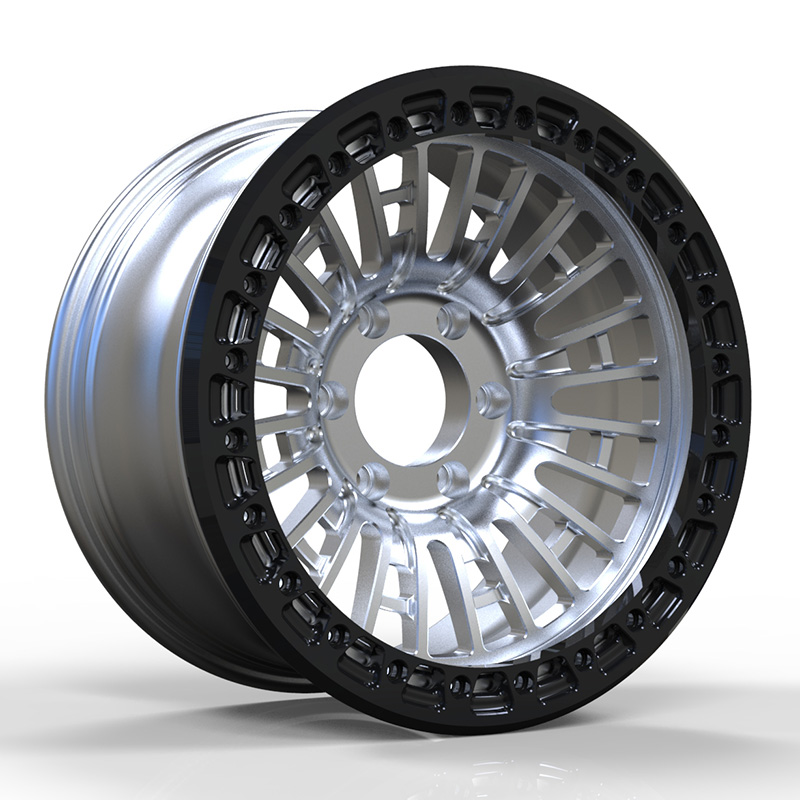
Absolutely. Forging is the preferred method for heavy-duty applications. Our off-road series uses the same high-pressure forging techniques to create wheels that can handle the extreme vertical loads and lateral stresses of rugged terrain without the risk of cracking that cast wheels face.
Q5: Is it possible to get a fully custom design for German engineered forged wheels?
Yes, that is one of the greatest strengths of the forging process. RETA offers full customization, from the spoke design and concavity to the final finish and color. Since each wheel is CNC-machined from a solid block, we can tailor the dimensions and aesthetics to your exact specifications.
Elevate Your Driving Experience
Don't settle for average performance. Experience the precision, strength, and beauty of authentic forged technology today.