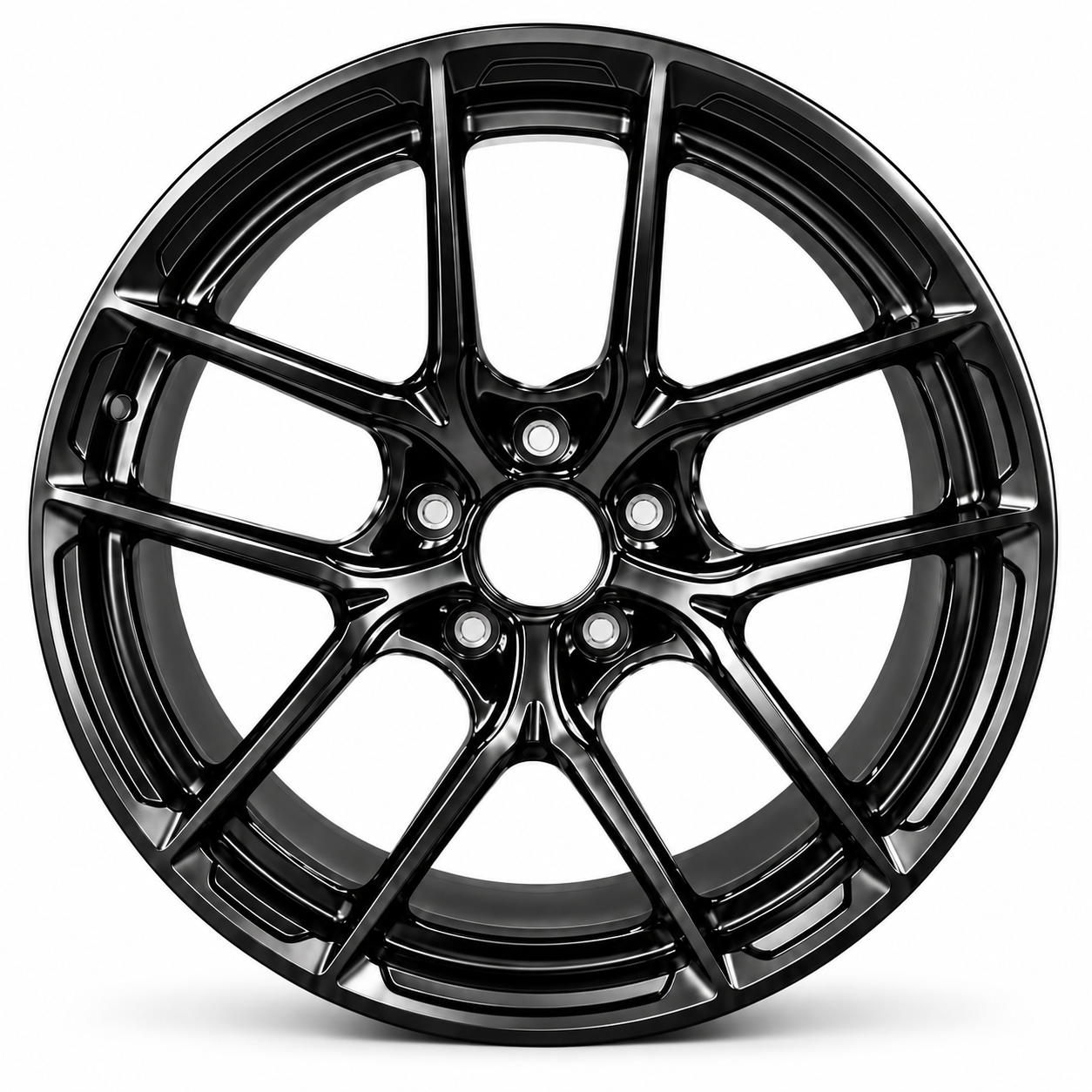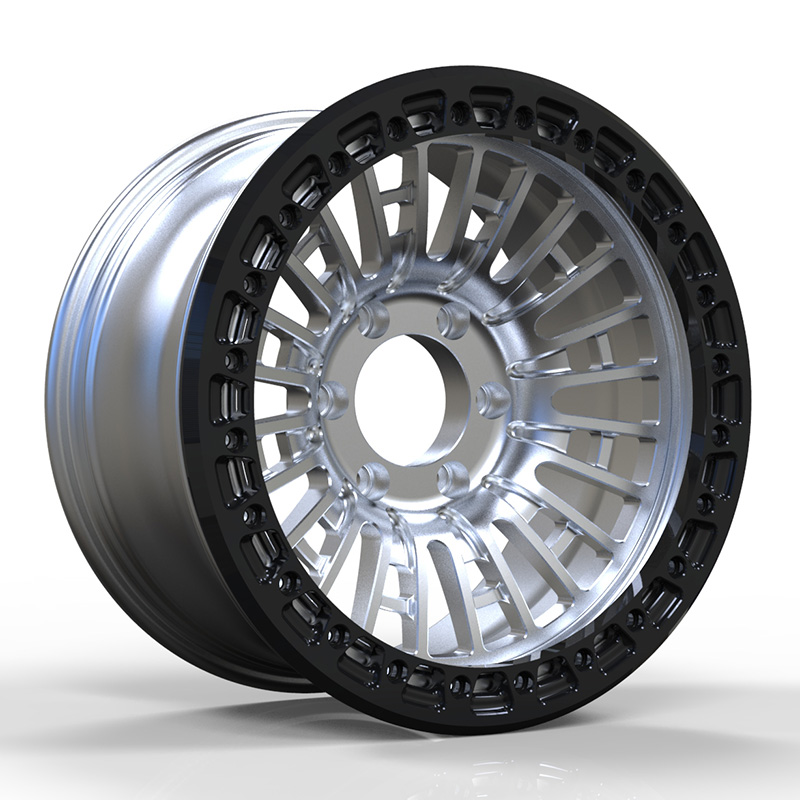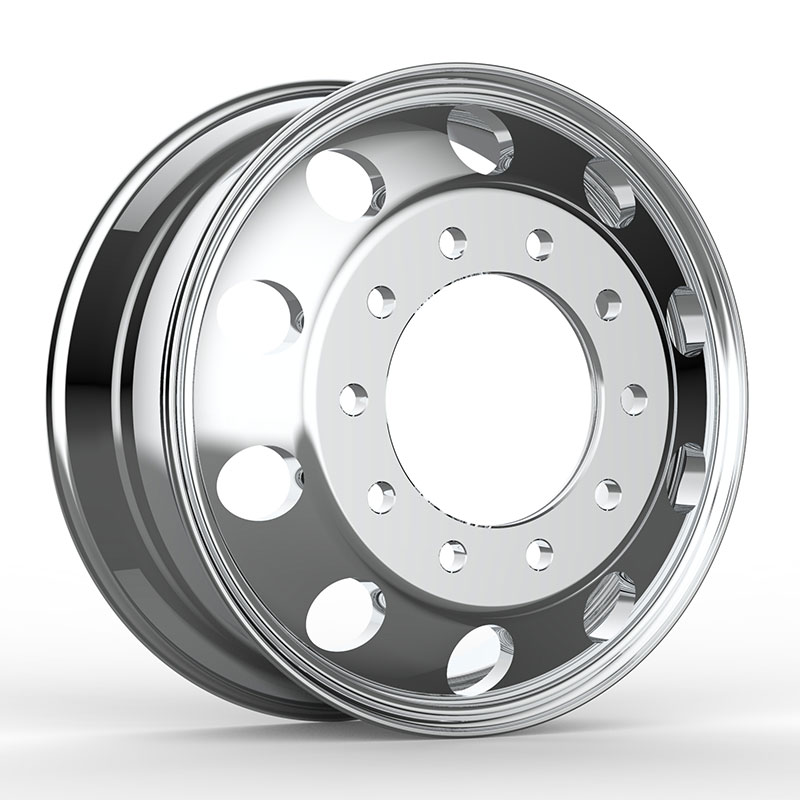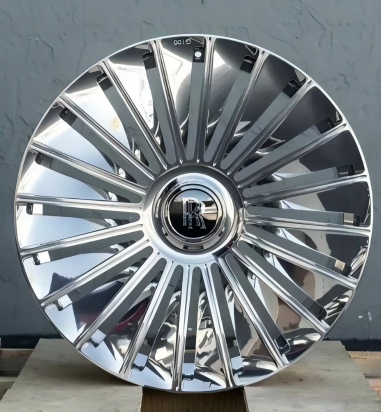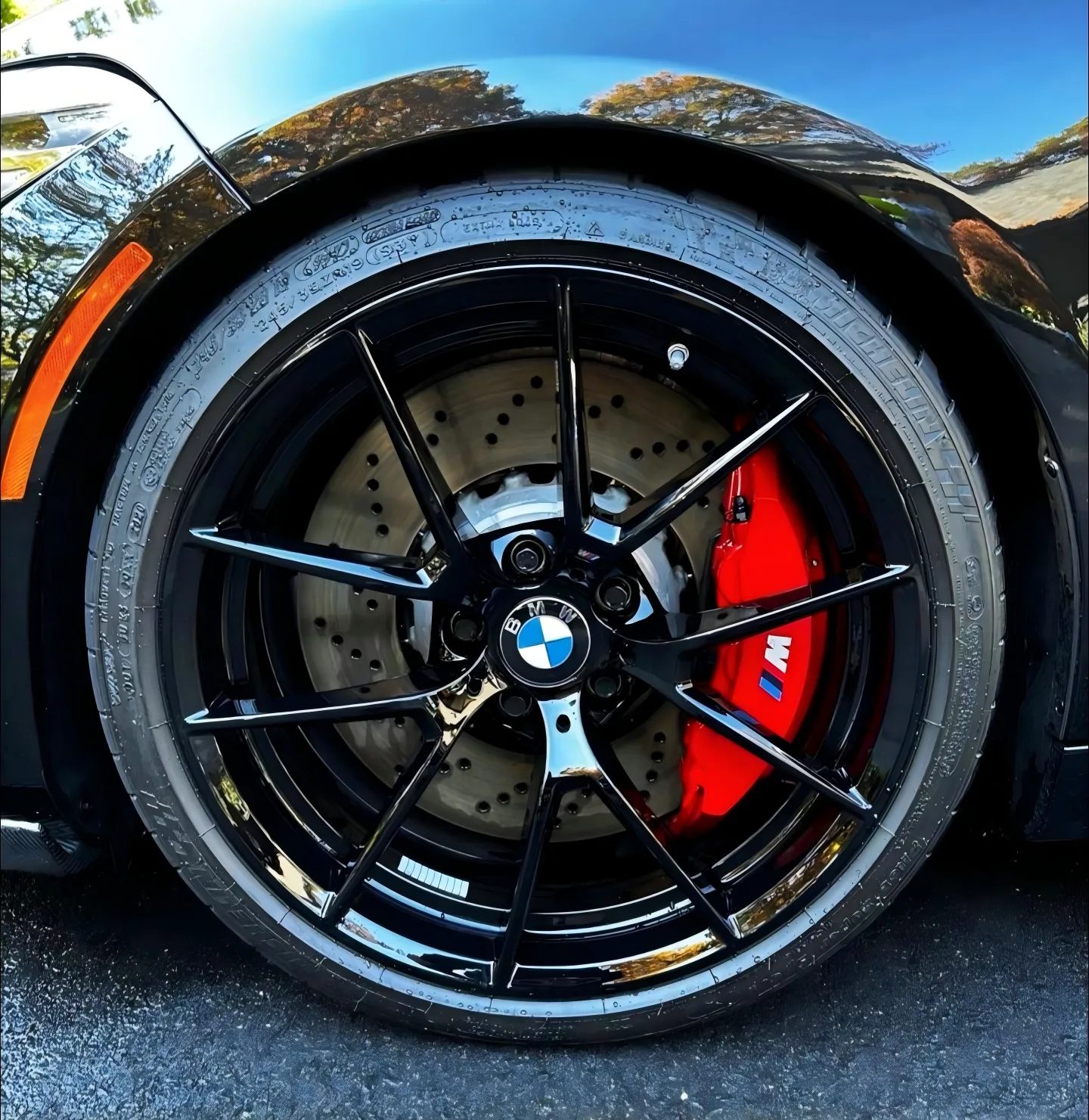
Machined wheels do require more care than a simple painted or powder-coated wheel, and the gap widens considerably in winter or coastal climates. The reason is that a machined face is a cut aluminium surface, and bare aluminium reacts with salt, moisture, and airborne chlorides far faster than a coated surface does. With a sensible routine the finish stays bright for years; without one, a machined lip can start to show dulling and pitting within a single winter of salted roads.
The good news is that the routine is not complicated, and the customers who have trouble are almost always the ones who were never told what to expect. Most of the complaints we see are not manufacturing failures; they are cases where a wheel was left dirty for weeks in a coastal city, or where an aggressive acid wheel cleaner was used on a hot rim. This article explains what a machined finish actually is, why the environment matters, what the correct cleaning method looks like, and how to store and repair a machined wheel so that its appearance survives several seasons rather than one.
It is worth starting with the fact that not all machined finishes behave the same way. A machined face with a proper clear coat and a bare polished lip are different products with different care requirements, even when they leave the factory looking similar. The Elegant series is a useful reference because it shows how a refined machined appearance can be combined with a durable finish, which is what most luxury owners actually want.
What Machined Actually Means on a Modern Wheel Face
Machining is a cutting process, not a coating. On a forged wheel the spoke face, the lip, or the whole outer surface is passed under a cutting tool that removes a thin layer of aluminium and leaves a directional surface texture. That texture is what produces the bright, reflective appearance customers associate with a quality wheel, because the fine tool marks catch light in a way a painted surface cannot. It also means the surface is, by definition, freshly cut metal rather than a protective film.
In practice there are three common variations, and their care requirements differ. A clear-coated machined face has a transparent protective layer over the cut surface, which slows the reaction with salt and moisture considerably and simplifies cleaning. A bare machined face has no coating, so the aluminium is directly exposed and needs a protective wax or sealant to stay bright. A two-tone finish, where a machined face is combined with a painted or brushed inner surface, needs care appropriate to each zone, which is why it is the finish most often damaged by careless cleaning rather than by the environment itself.
Brushing is a related but distinct process. A hand-brushed surface uses an abrasive to create a directional grain rather than fine tool marks, which is more forgiving of small marks and tends to hide light damage better than a mirror-machined face. Buyers in markets with harsh winters often do better with a brushed or satin finish than with a highly reflective machined one, not because the machined wheel is inferior but because the brushed surface is more tolerant of the environment and of the customer's maintenance habits.
| Finish Type | Protection Level | Care Frequency | Best Suited To |
|---|---|---|---|
| Clear-coated machined face | High; coating slows salt reaction | Routine washing plus periodic sealant | Year-round use in mixed climates |
| Bare machined or polished face | Low; metal directly exposed | Frequent washing, wax or sealant application | Dry inland markets, show and seasonal use |
| Hand-brushed or satin | Moderate; grain hides light marking | Routine washing | Winter and coastal markets |
| Fully painted or powder coated | Highest; sacrificial film over the metal | Routine washing only | Heavy winter use and fleet applications |
Why Salt and Humidity Attack a Machined Face
Aluminium does not rust the way steel does, which is why some owners assume a machined wheel needs no attention at all. What aluminium does instead is form a thin oxide layer that is normally protective, and that layer is disrupted by chlorides. Road de-icing salt and airborne sea salt are both chlorides, and when they sit on a cut aluminium surface in the presence of moisture they break down the oxide film locally and start a pitting reaction. The visible result starts as a dull milky patch, then progresses to small dark pits that cannot be polished out without removing material.
Temperature accelerates the process. A wheel that has just completed a long drive is hot, particularly around the brake area, and water or cleaner applied at that moment evaporates quickly and concentrates the salts it carries. This is why the most common cause of a damaged machined lip we see is not neglect over months but a single wash performed on a hot wheel with a strong cleaner. The wheel is not defective; the surface was exposed to a concentrated chloride solution at elevated temperature, which is the worst combination available.
Coastal environments are a slower but more persistent version of the same problem. Salt is always present in the air, so a wheel that is never rinsed will accumulate a fine chloride film continuously. In those markets the meaningful variable is not how harsh the environment is but how often the wheel is rinsed with fresh water. A weekly rinse in a coastal city does more for a machined finish than any sealant applied twice a year, and it takes a few minutes with a hose.
Winter markets add a second factor that is easy to overlook: mechanical damage. Grit and salt are spread on the road and thrown against the wheel, and kerbs become less visible under snow. A machined face shows a kerb scuff more clearly than a painted one because there is no film of paint to blur the mark, so a winter customer should be told that a repair may be needed and that a repair is possible. Multi-piece wheels help here, because a damaged outer lip can be replaced rather than the whole wheel.
Do Machined Wheels Require Special Care? The Routine That Works
The answer to do machined wheels require special care is yes, and the correct routine is shorter than most owners expect. The principle behind all of it is simple: remove contaminants before they have time to react, and never concentrate a cleaner on a hot surface. Everything below follows from those two rules, and a customer who understands them will keep a machined finish looking new without any specialist products.
Start with the wheel cool. Wash after the car has stood for a while rather than immediately after a drive, and if that is not possible, use plenty of water to cool and dilute rather than a strong product to cut through the dirt. Use a pH-neutral wheel cleaner, or simply car shampoo and water, and avoid the acid-based products sold for heavy brake dust removal. Acid cleaners work quickly because they dissolve contamination, and they will also attack a bare machined surface and dull a clear coat over time. A soft brush reaches the spoke gaps and the inner barrel; a dedicated wheel brush is a small purchase that prevents a large amount of scratching.
Rinse thoroughly, and rinse the inner face too, not just the visible side. Most of the salt and brake dust that damages a finish sits on the inner barrel and the back of the spokes, where owners rarely look. Then dry the wheel with a soft cloth or a filtered blower rather than letting it air dry, because water spots on a machined face are mineral deposits that etch into the surface if they are left in place, and they are considerably harder to remove than the contamination that caused them. Finally, apply a wheel sealant or a simple wax to a machined surface without a coating, and renew it periodically through the winter months.
- Wash cool. Always clean the wheel after it has cooled, never directly after a drive.
- Use a neutral cleaner. Avoid acid-based and caustic products, which dull machined and clear-coated surfaces.
- Clean the inner barrel. The inside face carries most of the contamination that reaches the outer lip.
- Dry rather than air dry. Water spots etch a machined face, so remove the water before it evaporates.
- Seal uncoated surfaces. A wheel wax or sealant slows the chloride reaction and makes the next wash easier.
- Rinse more often in coastal areas. Frequency matters more than product choice when salt is always in the air.
Brake Dust, Iron Fallout, and the Two-Week Window
Brake dust is not just dirt. On most modern cars it contains iron particles produced by the friction between pad and disc, and those particles embed themselves in whatever surface they land on. Once embedded, they oxidise and produce the small rust-coloured speckles owners describe as rust on an aluminium wheel. Aluminium does not rust, so the speckles are almost always transferred iron, and they will not come off with ordinary washing.
The practical implication is timing. Freshly deposited brake dust is easy to remove; brake dust that has been left in place through several wet-dry cycles is much harder, and contamination that has been allowed to sit through a whole season may leave permanent staining on an uncoated surface. We tell dealers that the meaningful interval is about two weeks in normal driving and considerably less in a coastal or winter market. Setting that expectation at the point of sale is the single most effective way to reduce finish-related complaints.
Where iron contamination has already bonded, an iron-removing chemical works by dissolving the embedded particles rather than by abrasion, and it is safe on coated and machined surfaces when used according to its instructions. What should be avoided at all costs is abrasive polishing of a machined face to remove speckles. Polishing removes material, changes the surface texture, and leaves a patch that is visibly different in reflected light. A wheel that has been aggressively polished to remove contamination is permanently worse than one that was cleaned correctly from the start.
Storage, Repair, and Keeping the Look Over Several Seasons
Many owners who damage a wheel in winter do so because the set is stored badly between seasons. A wheel stacked face to face in a damp garage will sit in contact with moisture for months, and any contamination left on the surface will react the whole time. Clean the wheels before storage rather than after, dry them thoroughly, and store them upright or on a rack rather than flat on a concrete floor. A simple protective cover keeps dust off without trapping moisture, provided the wheel went into storage dry.
Repair is more straightforward than most owners assume. A scuffed outer lip on a machined wheel can be re-cut, which restores the surface rather than covering it, and on a multi-piece wheel the lip can be replaced entirely without touching the centre. That is one of the practical advantages of multi-piece construction in harsh markets: the part that gets damaged is the part that is easiest to renew. Our repair service exists precisely because a customer who can repair a wheel stays a customer, whereas a customer who is told to buy a new set starts shopping elsewhere.
- Store clean and dry. Contamination left on a wheel during storage has months to react with any moisture present.
- Keep wheels off bare concrete. Use a rack or a mat so the surface is not in continuous contact with a damp floor.
- Never polish to remove speckles. Use an iron-removing product instead of abrasive polishing on a machined face.
- Re-cut rather than repaint a scuff. A re-cut restores the machined surface; paint over a machined face never matches in reflected light.
- Plan the winter set deliberately. Dealers who sell a simple, easily replaced winter wheel alongside a machined summer set see fewer complaints overall.
The care message for your customers, in one card:
Wash cool wheels with a neutral cleaner, never acid.
Clean the inner barrel, not just the face you can see.
Dry the wheel; water spots etch machined aluminium.
Rinse weekly in coastal markets and after every salted drive.
Two Environment Factors Most Owners Overlook
The first is the brake system itself, and it is often the real driver of finish damage in a coastal or winter market. A caliper that is beginning to stick runs hotter than it should, which raises the wheel temperature on that corner and accelerates the reaction between contamination and the machined surface. Owners report this as one wheel that always looks worse than the other three, and they naturally assume the wheel is at fault. In our experience a single-corner finish complaint is a brake or bearing issue far more often than a manufacturing one, and it is worth checking before any claim is raised.
The second is where the car is parked. A vehicle kept in an underground or covered garage dries out between drives, whereas a vehicle parked within sight of the sea or left outside in a damp climate never fully dries. The same wheel, cared for in the same way, will age differently in the two situations, and this is why two customers in the same town can have completely different experiences with the identical finish. Understanding the parking situation tells a dealer more about the right finish recommendation than the local climate data does.
Roof drainage and spray patterns matter more than people expect as well. On many cars, rain drains across a specific area of the arch and throws contaminated water onto particular parts of the wheel, so one zone of the face consistently wears faster than the others. Owners who notice this pattern can address it with targeted rinsing rather than more frequent full washes, which is both faster and gentler on the surface. It is a small insight, but it saves a meaningful amount of effort over a season.
None of these factors changes the fundamental answer to whether a machined finish is a sensible choice. It is, and it will look excellent for years in the hands of an owner who rinses it regularly. The purpose of listing them is to move the conversation away from a vague sense that machined wheels are delicate and towards a concrete understanding of what actually determines how long the finish lasts. Buyers who understand the mechanism make better choices, and dealers who can explain it settle fewer disputes.
One habit is worth building on the dealer side as well: keep a photographic record of the finish at handover. Photograph each wheel in daylight at a fixed angle when the customer collects the car, and store the images with the invoice. Two years later, when somebody claims the finish was never right, you have an objective reference rather than a memory. It takes two minutes, it costs nothing, and it resolves the small number of disagreements that a care conversation cannot.
FAQ: Do Machined Wheels Require Special Care?
These are the questions we receive most often from owners and dealers about machined wheel finishes.
Q1. Can a machined wheel be used through a salted winter?
Yes, provided the wheel is rinsed regularly and cleaned promptly after exposure. A clear-coated machined finish handles winter far better than a bare one. Many owners in salt-heavy regions run a separate, simpler winter set and keep the machined wheels for the rest of the year, which is the most economical approach over several seasons.
Q2. Are rust spots on an aluminium wheel a manufacturing defect?
Almost never. Aluminium does not rust, so the orange speckles are iron particles transferred from the brake pads and discs. They are removed with an iron-removing chemical rather than by polishing. If the speckles appear only on one wheel, the usual cause is a sticking caliper on that corner rather than anything to do with the wheel.
Q3. Is an automatic car wash safe for a machined finish?
Brush-based automatic washes are the fastest way to introduce fine scratches into any wheel finish, and they are worst on a reflective machined face where every mark shows. A touchless wash is safer, and a hand wash with a soft brush and a neutral cleaner is better still. If a customer must use an automatic wash, recommend a touchless one.
Q4. How long does a machined finish usually stay bright?
With proper care, several years. Without it, a bare machined lip in a coastal or salted-road environment can start to dull noticeably within a single season. The variable is not the finish itself but the interval between exposure and rinsing, which is why the maintenance advice matters more than the specification for most owners.
Q5. What should a dealer recommend for a coastal customer?
A clear-coated machined face or a hand-brushed finish, plus a straightforward weekly rinse routine. A highly polished bare finish is a legitimate choice for a customer who enjoys maintaining the car, but it is the wrong recommendation for one who simply wants a wheel that looks good with minimal effort.
Choosing a Finish You Will Not Regret
The finish question is really a question about the customer, not about the wheel. A buyer in a dry inland region who washes the car weekly will be delighted with a bare machined face, and the same wheel would disappoint a buyer in a coastal city who visits a car wash twice a year. Dealers who match the finish to the ownership pattern rather than to the showroom photograph sell more second sets, and they spend far less time resolving complaints about appearance that were never really about quality.
Our plant in Ningbo produces machined, brushed, polished, chrome, matte, and electroplated finishes in-house across a 12,000 square metre facility, with 7075 forged aluminum in volume production and certification to ISO 9001, ISO 14001, ISO 45001, and IATF 16949. If your customers keep asking do machined wheels require special care in their climate, send us the market and the driving pattern and we will recommend a finish and a care routine that match it, before the order rather than after the first winter.